Blog

  • Denver Apartment Amenities That Actually Increase Resident Retention

    Denver Apartment Amenities That Actually Increase Resident Retention

    Denver Apartment Amenities That Actually Increase Resident Retention

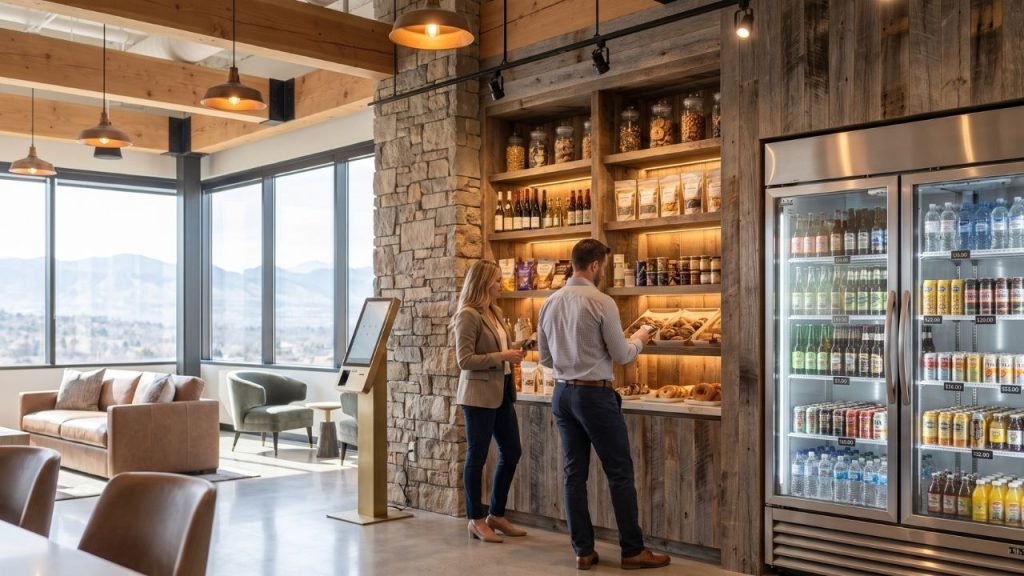
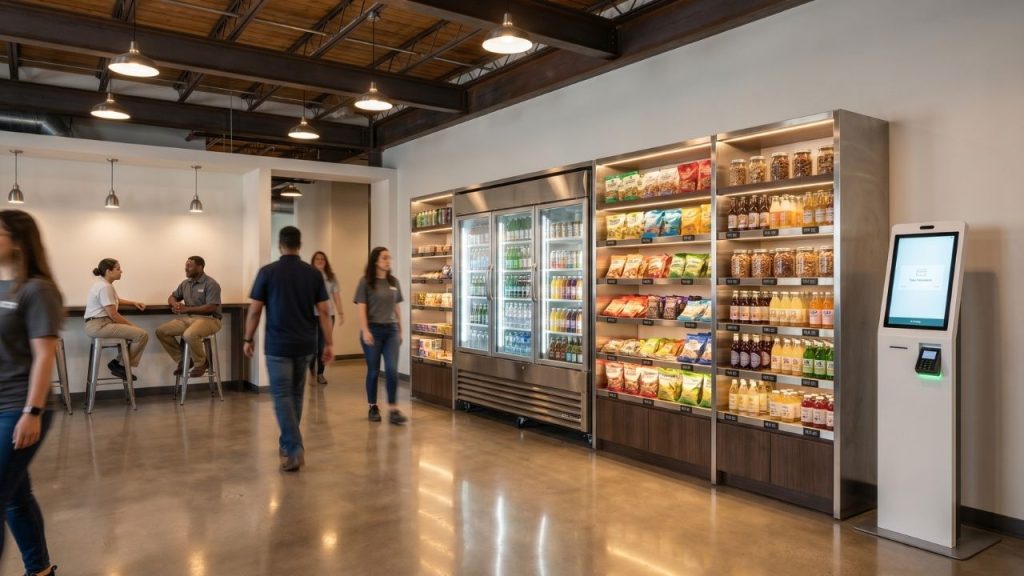
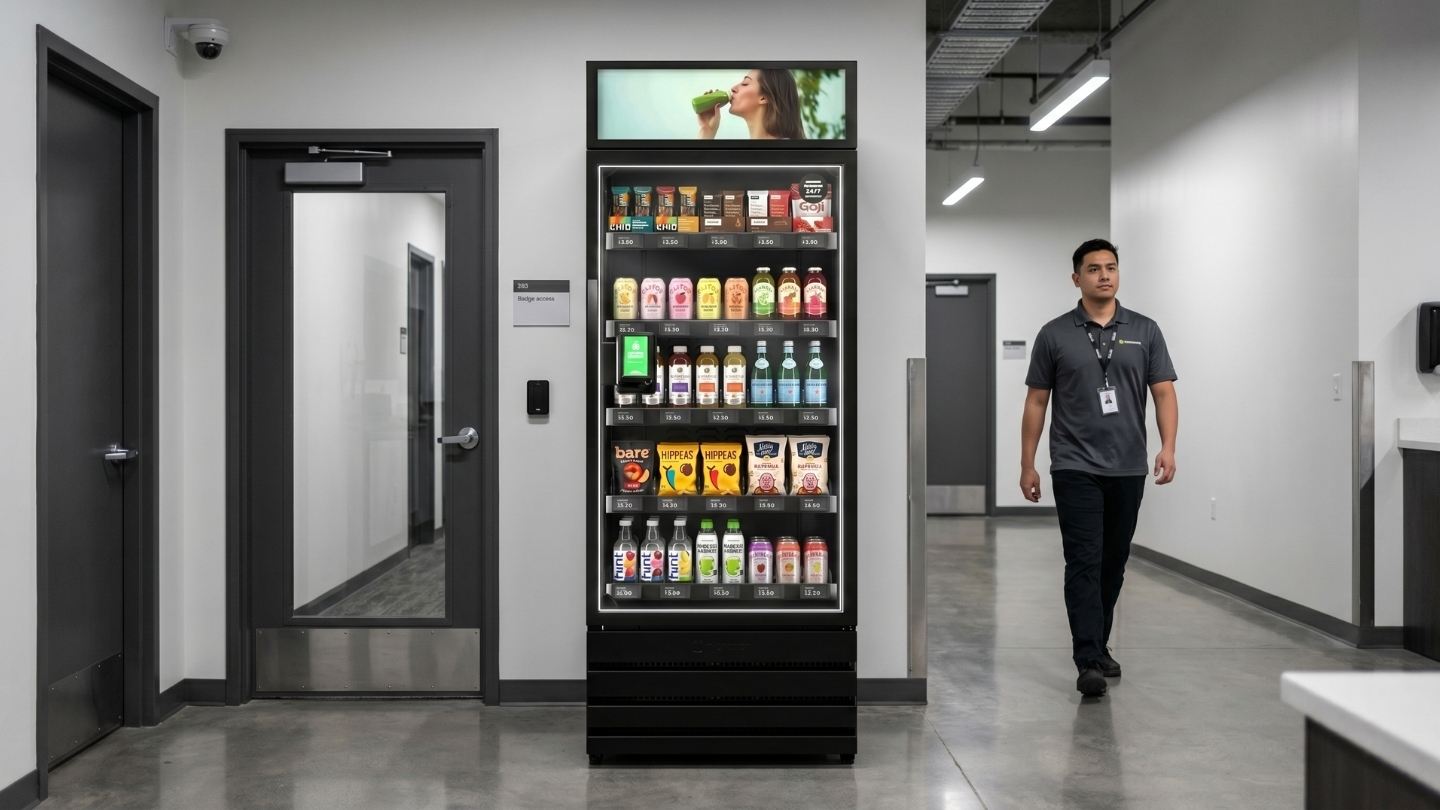
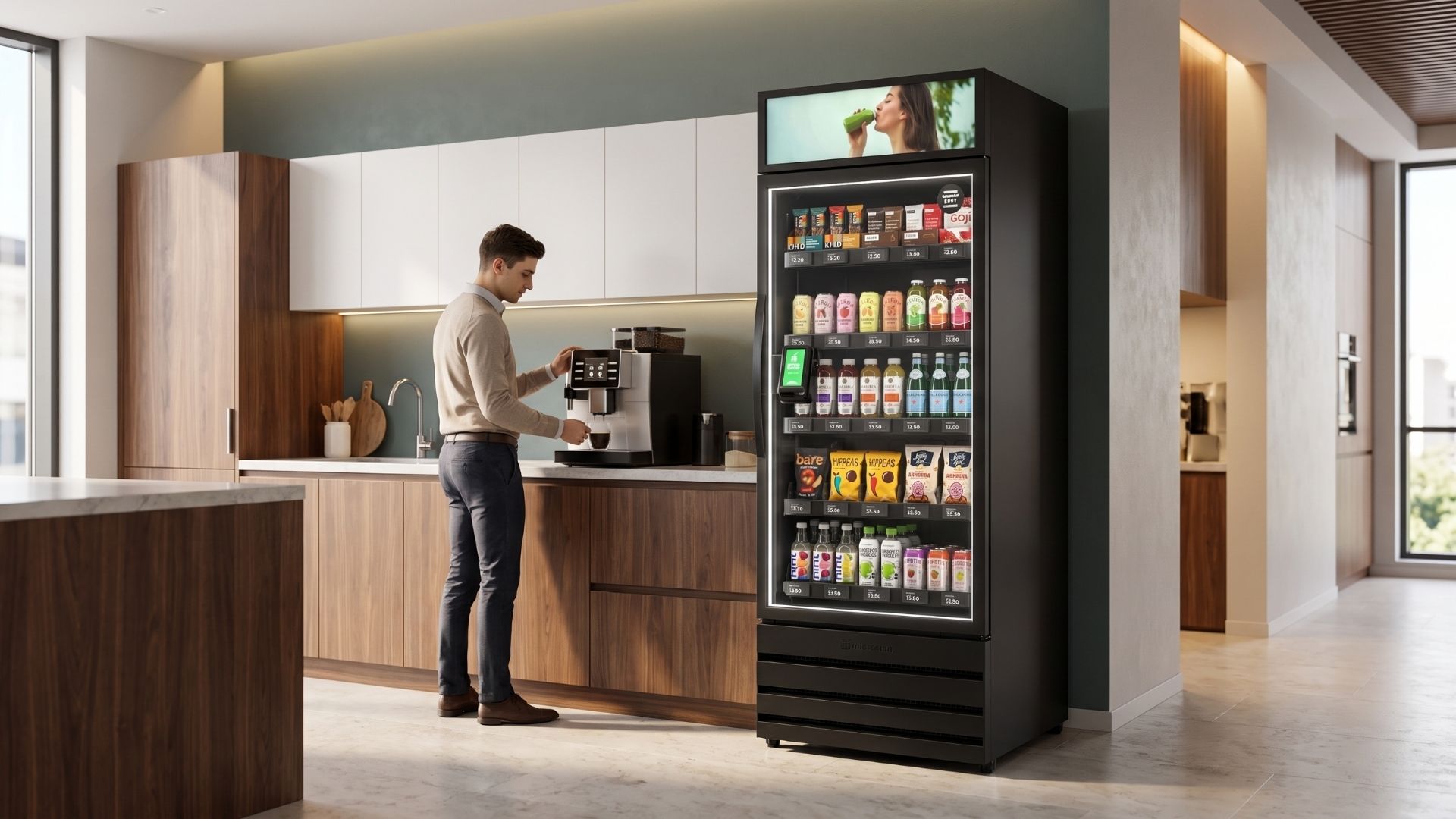
    The Denver apartment amenities most effective at increasing resident retention in 2026 combine daily practicality with low friction — on-site fitness centers, 24/7 package lockers, coworking lounges, and smart stores. On-site smart vending fills one of the highest-frequency daily needs: access to snacks, beverages, and household essentials without leaving the building. It delivers measurable satisfaction and renewal lift with zero additional management burden on property staff.

    In Denver’s multifamily market, resident retention is the KPI that matters most. Turnover costs — vacancy loss, make-ready expenses, leasing commissions, and marketing spend — can easily exceed $3,000 to $5,000 per unit depending on the property class and submarket. Every lease renewal you secure is money that stays in the building.

    The challenge is that resident expectations keep rising. What was a differentiator two years ago is a baseline expectation today. Property managers are constantly being asked to do more with the same team and the same budget. The key is finding amenities that have a high impact on resident satisfaction without creating new operational obligations for your staff.

    The Amenities Denver Renters Actually Want in 2026

    Resident preference data from the National Multifamily Housing Council (NMHC) and other industry research consistently surfaces the same themes: residents want convenience, reliability, and connection. They want amenities they actually use every day — not a rooftop lounge that looks great in photos but gets used four times a year.

    Here’s how Denver properties are scoring on the amenities that matter most:

    Amenity Daily Use? Zero-Management Option? Retention Impact
    Smart Store / Vending Yes Yes (full-service vendor) High
    Package Lockers Yes Yes (third-party management) High
    In-Unit Washer/Dryer Yes N/A (in-unit) Very High
    High-Speed Wi-Fi Yes Yes (provider-managed) High
    Fitness Center 3–5x/week Partial (monthly cleaning) Medium-High
    Coworking Lounge Variable Low (furniture, cleaning) Medium
    Rooftop / Pool Seasonal Low (seasonal maintenance) Medium
    Dog Wash Station Weekly Low (cleaning schedule) Medium

    The pattern is clear: the amenities with the highest retention impact are those used daily, and the best ones can be fully outsourced to a specialist vendor. On-site convenience hits both marks.

    Why On-Site Convenience Drives Renewals

    Consider the daily friction points a Denver apartment resident faces when their building lacks on-site convenience: running out of coffee before a morning call, needing a water bottle for a workout, forgetting a snack for a late work session. Each small inconvenience requires leaving the building — a five-to-fifteen minute round trip that residents consciously or unconsciously associate with their living experience.

    When those same residents have a smart store on-site, their perception of the building fundamentally shifts. The property stops being just an address and becomes a self-sufficient environment. That shift in perception is the substrate of lease renewals.

    This plays out particularly strongly in Denver because of the city’s demographics. Denver consistently ranks among the top metros in the country for percentage of young professionals working remotely or in hybrid arrangements. Residents who are in their buildings more are also more aware of — and more dependent on — the quality of their on-site amenities. A well-stocked smart store in 2026 has roughly the same psychological significance as a reliable parking situation: when it’s good, residents don’t think about it; when it’s missing, they feel it every day.

    Smart Stores: The Zero-Effort Amenity That Pays for Itself

    For property managers weighing the cost-benefit of adding or upgrading on-site convenience, the smart store model removes the traditional objections.

    There is no staffing cost. Unlike a leased coffee shop or managed retail space, a smart store requires no on-site employees. The vendor handles everything.

    There is no inventory management. AI Vending’s system monitors product levels in real time and dispatches restocking based on actual consumption data — not a fixed calendar, and not a report from your office.

    There is no maintenance burden. Any technical issue — payment terminal, cooling unit, display screen — is handled by our support team. Property staff need not be involved at any step.

    There is no capital outlay. AI Vending provides and installs the equipment. The property provides space and electrical access. The service is sustained through product revenue.

    What you get in return: a fully operational, resident-valued amenity that is available 24 hours a day, 365 days a year, without adding a single task to your team’s workload.

    Related reading: Smart Store vs. Traditional Vending Machine: What Denver Properties Need to Know | Smart Vending Denver: Why AI-Powered Stores Are Replacing Old Machines

    Frequently Asked Questions

    Q: How do I justify the space commitment for a smart store to my ownership group? A: Frame it in terms of retention value. If a smart store helps retain even two additional residents per year who would otherwise have moved, the avoided turnover costs alone will comfortably exceed any opportunity cost from repurposing the space.

    Q: What size building works best for a smart store? A: Smart stores are most effective in communities of 100 units or more, where daily foot traffic is sufficient to sustain a diverse product selection. For smaller buildings, a single or dual vending machine may be the more appropriate choice — and AI Vending serves both formats.

    Q: Can we brand the smart store as part of our property’s identity? A: Yes. We work with properties to customize the store’s signage and visual presentation to align with the community’s brand and design language.


    Add a Zero-Effort Amenity That Residents Actually Use

    The most effective Denver apartment amenities are ones that residents interact with daily — and that your team never has to manage. We deploy the best smart store machines in the industry, powered by AI analytics to ensure they are always stocked at the right time with the products your tenants love most.

    Give your residents a reason to stay. Get Your Free Site Survey & Amenity Report

  • How Denver Property Managers Are Adding Amenities Without Adding Work

    How Denver Property Managers Are Adding Amenities Without Adding Work

    How Denver Property Managers Are Adding Amenities Without Adding Work

    Denver property managers are adding high-demand amenities like smart stores and automated convenience kiosks without increasing their workload by partnering with full-service vendors who own every operational detail. Instead of managing inventory or scheduling maintenance, they outsource the entire operation — gaining a resident-loved amenity while the vendor handles everything from restocking logistics to product curation. The result is a better property experience at zero marginal labor cost to the management team.

    There’s a tension that defines the day-to-day reality of most Denver property managers: residents expect more, ownership expects efficient operations, and team headcount stays flat. Every new amenity that gets added to a property is implicitly evaluated through the question of who manages it — and what happens when it breaks.

    The most progressive property management teams in Denver have found an answer to that question. They’re building amenity programs around services that don’t require their team to touch them after launch. The model is called full-service vendor partnership, and when executed correctly, it delivers exactly what the name implies: someone else does everything.

    The Amenity Arms Race in Denver Multifamily (And How to Win Without Burning Out)

    Denver’s multifamily market has been among the most competitive in the country for the past several years. New Class A development along the Front Range — from LoDo to Centennial to Westminster — has raised resident expectations at every price tier. Properties that offered a fitness center and a package room five years ago and called it done are now competing against buildings with coworking suites, pet spas, rooftop entertainment decks, and on-site retail.

    The property managers who are navigating this landscape most effectively aren’t those with the biggest amenity budgets. They’re the ones who are most strategic about which amenities they choose to add — specifically, which ones can run without their team’s daily involvement.

    The decision framework is straightforward: for any new amenity, ask two questions before committing.

    1. Who maintains it? If the answer is “our maintenance team” or “front desk coordinates”, that’s an operational cost in perpetuity.
    2. Who manages the experience? If the answer involves any ongoing scheduling, inventory checking, or complaint management by your staff, that’s a hidden labor burden.

    Smart vending and automated retail score favorably on both dimensions — because the vendor answers both questions.

    What “Full-Service” Really Means: No Tasks on Your Plate

    The phrase “full-service” gets used loosely in the vending industry. Some vendors use it to mean they’ll send a driver when the property calls to report low inventory. Others use it to mean you’ll receive a service call within 48 hours of reporting a malfunction. Neither of those is full-service.

    Genuine full-service in the smart vending context means:

    Before Installation:

    • Site survey conducted by the vendor
    • Equipment recommendations made by the vendor
    • Installation coordinated and executed entirely by the vendor

    After Installation:

    • Inventory monitored in real time by the vendor’s AI system
    • Restocking dispatched by the vendor based on consumption data
    • Maintenance identified proactively by the vendor’s self-diagnostics
    • Maintenance resolved by the vendor’s technician
    • Product assortment managed and optimized by the vendor
    • Payment processing, settlement, and dispute resolution managed by the vendor

    Property team’s role at every stage: None. The property provides space and electrical access at installation. After that date, the vendor operates the amenity.

    This is the model AI Vending has built for the Denver market, and it’s the standard your team should hold any prospective vending partner to.

    Real Examples of Hands-Off Amenity Wins in Denver

    Denver properties partnering with AI Vending follow a consistent pattern: initial skepticism about whether a vending amenity can really be that hands-off, followed by a rapid recalibration once they experience the service in practice.

    Here’s what that experience actually looks like from a property manager’s perspective:

    Month 1: Machine is installed. Manager approves the location, provides access on install day. Machine goes live, fully stocked.

    Months 1–6: Manager receives zero requests from residents about vending issues. Zero contact about restocking needs. One email from AI Vending confirming a scheduled maintenance visit for a payment terminal update — no action required from the property.

    Month 7 onward: The smart store becomes part of the property’s background — a feature that residents appreciate and staff never think about, because there’s nothing to think about.

    Compare this to a staffed amenity addition — even a modest one, like a coffee cart in the lobby three days a week. That amenity requires vendor coordination, scheduling confirmations, coverage arrangements when the vendor cancels, resident complaints when service is inconsistent, and ongoing oversight to ensure quality. The comparison makes the zero-touch advantage obvious.

    Illustrative time savings for a property team that transitions from a self-managed breakroom stocking arrangement to an AI Vending smart store:

    • Eliminated: weekly product purchasing and order coordination (~90 minutes/week)
    • Eliminated: delivery receipt and break room stocking (~45 minutes/week)
    • Eliminated: out-of-stock complaint responses (~20 minutes/week)
    • Eliminated: vendor communication and coordination (~30 minutes/week)

    That’s approximately 3 hours per week — or 150+ hours per year — returned to a property team that didn’t have time to spare.

    Related reading: Best Vending Machine Companies in Denver, CO | Denver Apartment Amenities That Actually Increase Resident Retention

    Frequently Asked Questions

    Q: Can I add a full-service smart store to an older Denver building that wasn’t designed for it? A: Yes. Our site survey process is specifically designed to identify creative placement solutions in buildings with non-standard layouts. We’ve successfully installed smart stores in converted common areas, repurposed storage alcoves, and underutilized lobby corners across a range of Denver property vintages.

    Q: What if our ownership group is skeptical about smart vending as an amenity? A: We can provide case study data and comparable property references from our Denver portfolio. The zero-upfront-cost model also reduces the financial friction of getting ownership buy-in — there’s no capital expenditure to approve.

    Q: How do we communicate the new amenity to residents without creating unrealistic expectations? A: We provide simple, professionally designed signage and communication templates that properties can use to introduce the smart store to residents. The messaging is calibrated to set accurate expectations about what’s available and how it works.


    Add the Amenity That Manages Itself

    Your team’s bandwidth is your most valuable resource. Don’t spend it managing a vending vendor. We deploy the best smart store machines in the industry, powered by AI analytics to ensure they are always stocked at the right time with the products your tenants love most.

    Zero new responsibilities. Measurable resident impact. Get Your Free Site Survey & Amenity Report

  • Cashless Vending Machines in Denver: Why Modern Properties Are Switching

    Cashless Vending Machines in Denver: Why Modern Properties Are Switching

    Cashless Vending Machines in Denver: Why Modern Properties Are Switching

    Cashless vending machines in Denver accept credit cards, debit cards, and mobile payment platforms like Apple Pay and Google Pay — eliminating the need for cash or coins in any transaction. For Denver property managers, cashless vending means no cash collection, no coin jam complaints, and no payment reconciliation. AI Vending manages all payment processing and reporting through standard digital payment networks — the property’s role in the transaction is nonexistent.

    Denver has been among the fastest-growing metros in the country for tech adoption across residential and commercial real estate sectors. The shift to cashless commerce — accelerated significantly by the pandemic years — has now firmly reached the vending machine space. Residents and building occupants who routinely pay for coffee, groceries, and rideshares on their phone expect the same convenience when they’re buying a bottle of water on the way to the gym.

    For property managers, the transition to cashless vending isn’t just about meeting resident expectations — it’s about eliminating a category of headache that comes with cash-based machines: jammed coin returns, missing currency, cash collection coordination, and liability for unsecured currency stored in a common area. The case for going cashless is both experiential and operational.

    The End of Cash-Only Vending in Denver

    Traditional vending machines in older Denver apartment buildings and commercial properties often relied on coin-operated or bill-acceptor mechanisms. These systems created persistent friction:

    • Coin jams: A stuck coin or a bent bill could render a machine temporarily out of service and generate a resident complaint. Clearing a coin jam typically required a service visit or the attention of a maintenance team member.
    • Cash collection: Machines with bill acceptors required regular cash collection visits — typically on a fixed schedule, not coordinated with actual cash volume. This created either under-collected machines (full coin boxes, declined transactions) or unnecessary collection trips.
    • Reconciliation challenges: Tracking cash revenue from vending machines required manual count verification against dispensing logs — a process prone to discrepancy and nearly impossible to audit accurately without dedicated accounting support.
    • Security exposure: A machine holding $100–$400 in cash inside a building’s common area creates a low-level but real theft target. Vandalism of cash vending machines is significantly more common than attacks on cashless units.

    AI Vending’s smart store solutions are 100% cashless by design. None of these issues exist in our service model.

    Accepted Payment Types on AI Vending Smart Stores

    Our Denver smart store machines connect to a commercial-grade payment terminal that accepts the full range of modern cashless payment methods:

    Payment Type Accepted
    Visa (credit & debit)
    Mastercard (credit & debit)
    American Express
    Discover
    Apple Pay
    Google Pay
    Samsung Pay
    Contactless chip cards
    Cash / coins

    For residents who primarily use their phone’s digital wallet — a demographic that skews heavily toward Denver’s under-40 multifamily and co-living resident base — tap-to-pay on a vending machine is as natural as tapping for a rideshare. There is no hunting for change, no bill that comes back rejected, and no “card declined” experience caused by a finicky reader that hasn’t been serviced in six months.

    No Cash = No Problem: How We Handle All Payment Logistics

    The payment infrastructure in an AI Vending smart store is fully managed on our end — from terminal installation and configuration through transaction monitoring, settlement, and dispute resolution.

    What property staff never need to do:

    • Collect cash from machines
    • Monitor cash levels in bill acceptors
    • Report coin jams or payment terminal errors
    • Track or reconcile vending revenue
    • Coordinate with a bank for cash deposit
    • Handle payment disputes from residents

    If a resident has a concern about a charge — for example, a product that dispensed incorrectly while their card was charged — they contact AI Vending’s support line directly. Our team resolves payment disputes. The property’s front desk staff have zero involvement.

    Payment systems are monitored continuously. If a terminal goes offline, our AI monitoring system flags the issue and a technician is dispatched — typically before residents encounter enough failed transactions to submit a complaint to the office.

    Related reading: How Smart Vending Machines Work in Apartment Buildings | How Denver Property Managers Are Adding Amenities Without Adding Work

    Frequently Asked Questions

    Q: What happens if a resident’s payment is declined? A: Declined payments are handled by the payment network, the same as any retail transaction. The resident is prompted to use a different card or payment method. Property staff are not notified of or involved in any individual payment event.

    Q: Is there a minimum transaction amount for cashless vending? A: No minimum transaction requirement is imposed by AI Vending’s payment configuration. Even a $1.25 bottle of water can be purchased with a tap of a phone.

    Q: What if a resident prefers to pay with cash? A: Our smart stores are cashless-only by design. Residents who prefer cash would need to use an ATM and convert to card before purchasing. In practice, the vast majority of Denver’s resident base — particularly in multifamily properties built after 2015 — uses contactless payment as their default. In our experience, cashless-only machines generate fewer complaints and higher satisfaction than hybrid cash/card machines.


    Upgrade to Cashless Smart Vending in Your Denver Building

    Eliminate coin jams, cash collection, and payment headaches in one move. We deploy the best smart store machines in the industry, powered by AI analytics to ensure they are always stocked at the right time with the products your tenants love most — and our fully cashless payment system means your team never handles a dollar.

    Get Your Free Site Survey & Amenity Report

  • Denver Vending Machine Installation: What to Expect

    Denver Vending Machine Installation: What to Expect

    Denver Vending Machine Installation: What to Expect

    Denver vending machine installation by a full-service provider includes a free site survey, equipment placement planning, all electrical coordination, and a fully stocked machine before launch day. The entire process is managed by the vendor — property managers approve the location and provide electrical access, and AI Vending handles the rest. Most Denver installations are operational within a few business days of the site survey.

    One of the most common questions we hear from Denver property managers considering a smart vending solution is: “What do I actually need to do?” The honest answer is very little. Our installation process is designed to be as invisible as possible to your team — we handle the heavy lifting, the coordination, and the logistics so that your building gets a new amenity without any new work landing on your desk.

    This guide walks through the complete installation timeline, from first contact to launch day, so you know exactly what to expect.

    Step 1: The Free Site Survey (We Come to You)

    Every AI Vending installation begins with a free on-site survey. This is a visit from one of our Denver-based team members — typically lasting 30 to 60 minutes — during which we assess the property and identify the best possible configuration for your smart vending solution.

    What we evaluate during the site survey:

    • Traffic patterns: Where do residents or employees flow throughout the day? The best vending placement is along natural pathways — near elevators, gym entrances, lobby corridors, or between a parking structure and building entry.
    • Available square footage: We assess both the current space and any adjacent areas that could be incorporated into a larger smart store footprint if the property qualifies.
    • Electrical infrastructure: Vending machines and smart store equipment require dedicated electrical circuits. We assess the current panel and outlet situation and identify whether any minor electrical work is needed — which we coordinate, not the property team.
    • Resident demographics: Building type, unit count, average lease length, and any known demographic information help us inform the initial product curation.
    • Existing amenity context: Understanding what else the building offers (gym, pool, lounge) helps us position the smart store appropriately in the overall amenity ecosystem.

    After the survey, we provide our equipment recommendation and a proposed installation timeline. There is no cost for the survey and no obligation.

    Step 2: Machine Placement and Setup — Zero Disruption

    Once the site survey is complete and the property approves the recommended placement, we schedule the installation. For most Denver properties, this happens within three to five business days.

    What installation day looks like:

    Our installation team arrives at the scheduled time with all equipment, mounting hardware, and connectivity supplies. The team handles:

    • Physical delivery and placement of all machines or smart store equipment
    • Leveling and securing equipment to ensure stability and safety
    • Power connection setup and testing
    • Connectivity configuration (our machines use built-in cellular, so no property network access is needed)
    • Display configuration and payment terminal testing
    • AI telemetry initialization and connection to our monitoring dashboard

    The process is typically completed in two to four hours for a standard single or dual-machine installation. Smart store buildouts with multiple units and shelving may take a full business day. Throughout the process, we coordinate with building staff on access but do not require sustained supervision from your team.

    Disruption to residents is minimal. We schedule installation to avoid peak resident activity hours when possible, and the process does not affect common area access in any meaningful way. Residents walking past an in-progress install typically see two technicians working in a tidy, organized fashion — nothing that creates friction for day-to-day building life.

    Step 3: Stocked and Ready — Your Role Ends Before Day One

    Before we leave the property on installation day, the machine or smart store is fully stocked with its initial product load. There is no “startup period” where residents see an empty machine waiting for a delivery. From the moment the equipment is live, it’s operational.

    What happens on launch day and beyond:

    • The AI monitoring system begins tracking inventory levels from the first transaction
    • Payment terminals are fully tested and active
    • Our support contact information is affixed to the equipment
    • Our Denver operations team receives real-time alerts from the machine’s telemetry

    What the property team does from this point: Nothing. The machine is visible, the machine is stocked, and the machine is managed. Your team can let residents know about the new amenity, but they have no operational responsibility for it — now or in the future.

    Typical timeline from first contact to launch:

    Stage Timeline
    Initial consultation Day 1
    Site survey Days 3–5
    Equipment configuration & ordering Days 5–7
    Installation scheduled Days 7–10
    Installation complete Days 10–12
    Machine live and fully stocked Same day as installation

    Related reading: Best Vending Machine Companies in Denver, CO | How Smart Vending Machines Work in Apartment Buildings

    Frequently Asked Questions

    Q: Does the property need to hire an electrician before installation? A: In most cases, no. Standard vending machines run on widely available outlet configurations. If dedicated circuit work is needed for a larger smart store installation, we coordinate and manage that process. The property does not need to independently source an electrician.

    Q: What if we want to move the machine after installation? A: Relocation is handled by our team. Contact our support line and we’ll coordinate a time to assess the new location and manage the move. There is no DIY relocation attempted by property staff.

    Q: Can we add more machines after the initial installation? A: Yes. As your property’s foot traffic or resident satisfaction data confirms demand, we can expand the installation — adding beverage coolers, additional snack units, or upgrading to a full smart store format. We reassess and reconfigure based on actual usage.


    Start the Process for Your Denver Property

    From first conversation to launch day, we make the process as smooth and hands-off as possible — because that’s how the entire ongoing service runs. We deploy the best smart store machines in the industry, powered by AI analytics to ensure they are always stocked at the right time with the products your tenants love most.

    The first step is a free site survey. Get Your Free Site Survey & Amenity Report

  • How Smart Vending Machines Work in Apartment Buildings

    How Smart Vending Machines Work in Apartment Buildings

    How Smart Vending Machines Work in Apartment Buildings

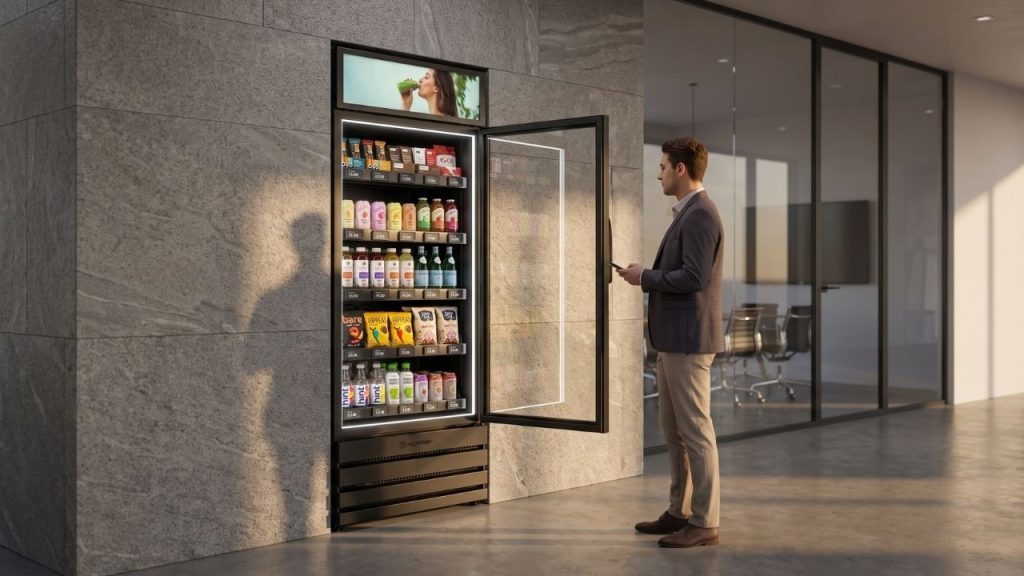
    Smart vending machines in apartment buildings use AI-powered sensors and real-time telemetry to track inventory levels automatically. When stock runs low, the vendor’s system triggers a restock — no action required from property management. Cashless payment terminals handle all transactions, and the machine’s self-diagnostics report technical issues to the vendor before residents even notice a problem. The entire system operates without any involvement from property staff.

    For property managers evaluating smart vending solutions, one of the most common questions is a practical one: “How does the machine actually know when to restock?” The answer lies in a combination of hardware sensors, cloud-connected software, and a logistics layer that transforms raw inventory data into physical restocking actions. Understanding the technology behind smart vending helps property managers appreciate why it requires zero management input — and why it’s meaningfully more reliable than traditional vending approaches.

    The Technology Inside a Smart Vending Machine

    Modern smart vending machines are significantly more sophisticated than the coin-operated units of the past. At their core, they are connected IoT devices — always-on, always-reporting, and capable of communicating their operational status to a centralized management platform in real time.

    Here’s what’s actually happening inside a smart vending machine:

    Inventory Sensors: Depending on the machine model, inventory is tracked via weight sensors in each coil or shelf, optical sensors that count items as they’re dispensed, or planogram cameras that compare the current product layout to a known baseline. Some advanced systems combine multiple methods for higher accuracy.

    Connectivity: Each machine communicates over Wi-Fi or a built-in cellular module. This means inventory data flows continuously to the vendor’s platform without needing to be connected to a property’s building network or managed by IT.

    Telemetry Dashboard: The vendor’s operations team has a centralized view of every machine’s inventory level, temperature, payment system status, and dispensing logs — all updated in near real-time. From this dashboard, they can see exactly which products are running low at which machines across their entire Denver network.

    Payment Processing: Smart vending machines accept contactless payments — credit and debit cards, Apple Pay, Google Pay — via built-in payment terminals that process transactions through standard payment networks. No cash is collected, no cash is handled, and no revenue reconciliation is required from the property.

    Self-Diagnostics: The machine continuously monitors its own health — cooling temperature, motor function, display operation — and flags anomalies automatically. In many cases, a vendor’s technician is dispatched before a resident ever experiences a machine error.

    From Empty to Stocked: Our Automated Restocking Process

    The restocking process in a traditional vending setup often follows a fixed route schedule — a vendor visits every Monday, regardless of whether the machine is 10% empty or 90% empty. This leads to two common failures: machines that are visibly half-empty for days before a restock visit, and inefficient restock trips that don’t reflect actual consumption patterns.

    AI Vending’s restocking process is demand-driven, not calendar-driven:

    1. Real-time monitoring — Our system tracks every item dispensed and every item remaining in every machine, continuously.
    2. Threshold alerts — When a product drops below its par level (determined by historical consumption data for that specific machine location), a restock task is generated automatically in our logistics system.
    3. Dispatch — Our Denver restock team receives the task, loads the appropriate products based on what’s needed (not a generic default kit), and travels to the property.
    4. Restock and verify — The machine is restocked to full capacity, the inventory is updated in the system, and the task is closed.
    5. Confirmation — No notification needed from the property. No check-in call. No confirmation requested.

    From the property manager’s perspective, the machine is always full. The mechanism that achieves that outcome is invisible to your team.

    What Property Managers Never Have to Touch

    It’s worth being explicit about the scope of the zero-management model, because some property managers have had negative experiences with vending vendors who claimed to be full-service but weren’t.

    With AI Vending, the following are not property responsibilities:

    • Checking stock levels
    • Reporting low inventory
    • Scheduling restock visits
    • Reporting machine malfunctions
    • Handling product complaints (our support line is printed on every machine)
    • Coordinating maintenance
    • Reconciling sales data or revenue
    • Selecting or approving products
    • Managing vendor invoices beyond the agreed service arrangement

    The property’s role: provide the space and electrical access, and welcome the amenity. Every other task is ours.

    Related reading: Smart Store vs. Traditional Vending Machine: What Denver Properties Need to Know | Cashless Vending Machines in Denver: Why Modern Properties Are Switching

    Frequently Asked Questions

    Q: What kind of internet connection does a smart vending machine need? A: AI Vending’s machines include built-in cellular connectivity, which means they do not require access to the property’s Wi-Fi network or IT infrastructure. There is no configuration required from the property’s side.

    Q: What happens if there’s a power outage? A: Machines retain their inventory and operational state records during a brief power interruption. Our system receives an alert when a machine goes offline due to power loss and monitors for restoration. For extended outages, our team coordinates next steps with the property as needed.

    Q: How quickly are maintenance issues resolved? A: Because our system detects most anomalies automatically, we can typically dispatch a technician the same day a hardware issue is flagged. We do not wait for resident complaints to trigger service visits.


    Experience Smart Vending Technology in Your Denver Building

    The most reliable vending solution is one that runs itself. We deploy the best smart store machines in the industry, powered by AI analytics to ensure they are always stocked at the right time with the products your tenants love most.

    Let us show you how the technology works for your property specifically. Get Your Free Site Survey & Amenity Report

  • The Future of Smart Vending in Denver Real Estate

    The Future of Smart Vending in Denver Real Estate

    The Future of Smart Vending in Denver Real Estate

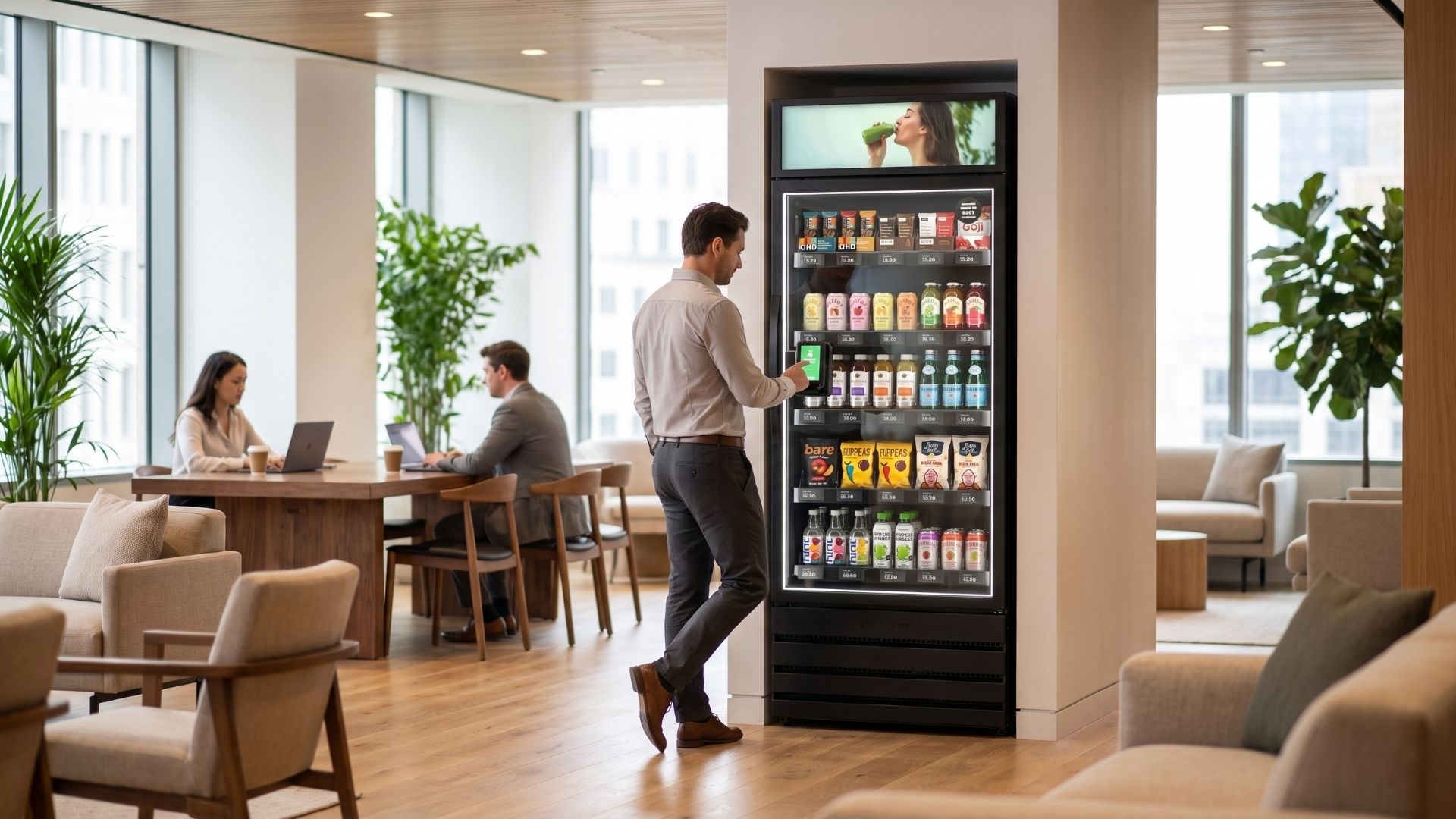
    The future of amenities in Denver real estate points toward fully integrated, 24/7 smart vending solutions. As tenants increasingly value convenience, AI-powered vending provides a sustainable, modern way to bring essential access straight into residential and mixed-use buildings.

    Walk into any new luxury or Class-A development in Denver, and you’ll immediately see the amenities arms race. Pools, golf simulators, and massive rooftop decks are standard. However, property managers are finding that what residents genuinely use on a daily basis is far simpler: instant access to food, drinks, and daily essentials.

    The modern solution isn’t trying to force outdated amenities. The future belongs to entirely autonomous, AI-powered smart vending networks placed right in the lobby or resident lounge. We are moving toward a world where every large residential building has its own sleek bank of intelligent machines.

    The Evolution of the Vending Machine

    We need to stop thinking about vending machines as simple metal boxes holding stale chips and start thinking of them as premium, modular amenity units.

    • Today: A single outdated machine hidden in the back of the laundry room that requires exact change and occasionally steals a dollar.
    • Tomorrow: A prominent lobby location featuring a bank of sleek, beautifully lit AI-powered smart vending machines, offering everything from fresh, healthy meals and artisanal coffee to hydration and daily essentials—all accessible 24/7.
    • The Experience: Tap your phone or credit card, select your premium items, and enjoy frictionless checkout. AI telemetry ensures the machines are continuously stocked with exactly what the residents actually want.

    Why Smart Vending is Exploding in Popularity

    Why is this shift inevitable? Unmatched Convenience and Zero Overhead.

    • For the Resident: You’ve just finished a long workday or a late-night study session, and you need a quick dinner, a fresh energy drink, or laundry detergent. Having premium options just an elevator ride away without putting on a coat is the ultimate luxury.
    • For Property Management: A smart vending setup carries zero labor cost and zero operational burden for the building staff. A leading vending provider installs the beautifully branded machines, tracks inventory via advanced AI analytics, and refills the machines automatically. Property managers get to advertise a five-star amenity while doing zero work.

    This allows developers and managers to provide an enormous value-add to the community in a space as small as 20 square feet.

    AI Vending as Standard Spec in New Developments

    Just as a comprehensive fitness center was a “nice to have” in 2010 and is “mandatory” today, smart vending is becoming the new baseline spec for high-end properties.

    • Architects are now designing lobbies and lounges with dedicated power, data drops, and aesthetic alcoves specifically for smart vending walls.
    • Developers are using smart vending networks as a core differentiator when residents tour properties.
    • Tenants are touring buildings and asking, “Where do I get coffee, snacks, and quick meals?”

    The buildings that answer “We have a 24/7 AI-driven fresh food selection right here in the lobby” will consistently win over the buildings that answer “There’s a gas station three blocks away.”

    Adoption Curve: Smart Vending in Multifamily

    • 2020: Early Adopters (Luxury high-rises testing high-end fresh food machines).
    • 2023: Early Majority (Smart vending replacing old machines in Class-A properties).
    • 2026 (Now): Tipping Point (Standard inclusion across most new multifamily developments).
    • 2030: Laggards (Older buildings scrambling to add vending amenities to keep up).

    Frequently Asked Questions

    Q: Will this replace delivery apps? A: No, it complements them perfectly. You’ll still DoorDash dinner from a specific restaurant. But you won’t DoorDash a pint of ice cream or a bottle of water and pay a massive markup—you’ll grab it effortlessly from the smart vending machine downstairs.

    Q: Is it safe? A: Yes. Modern smart vending machines are essentially unbreakable steel vaults with highly secure, cashless payment terminals. Because they use digital payments (like Apple Pay or credit cards), they don’t hold physical cash, completely eliminating the risk of theft or vandalism.

    Q: Do property managers have to fill them? A: Absolutely not. The best vending partners provide an entirely turnkey service. High-tech telemetry alerts the vendor exactly when popular items are running low, so they show up, restock, and leave—often before management even knows anything was sold.


    Future-Proof Your Development

    Don’t build for 2010. Build for 2030. We deploy the best smart vending machines in the industry, powered by advanced AI analytics to ensure they are always impeccably stocked with the premium products your tenants love most.

    Give your residents the 24/7 convenience they actually use. Get Your Free Site Survey & Amenity Report

  • Amenities and Rent Growth: The Value Equation

    Amenities and Rent Growth: The Value Equation

    Amenities and Rent Growth: The Value Equation

    The value equation between amenities and rent growth posits that convenience services like smart vending validate incremental rent increases by improving the daily living experience. For Denver owners, adding tangible, high-frequency usage amenities provides the justification needed for market-rate adjustments, as tenants perceive a direct correlation between their monthly rent and the onsite conveniences provided.

    Every year, property managers face the uncomfortable task of sending renewal notices with a rent increase. Tenants inevitably ask: “Why am I paying $100 more? Nothing has changed.”

    If you haven’t improved the property, they are right. Rent growth without value growth feels like gouging. But if you can point to new, tangible improvements to their daily life, the conversation changes. Smart Vending is a powerful tool in this “Value Equation” because it is a low-cost upgrade that delivers high-frequency impact.

    Perceived Value vs. Actual Cost of Amenities

    Not all amenities are weighted equally in the tenant’s mind.

    • The Pool: High cost to maintain, low frequency of use (maybe 10 weekends a year).
    • The Smart Market: Zero cost to property (vendor managed), high frequency of use (2-3 times a week).

    When a tenant uses an amenity 150 times a year, it becomes integrated into their lifestyle. They perceive the building as “convenient” and “service-rich.” This daily reinforcement of value makes them stickier and less price-sensitive during renewals.

    “Nickel and Diming” vs. All-Inclusive Convenience

    Tenants hate hidden fees. They hate that the “Business Center” charges for printing or the “Coffee Bar” is always empty.

    • The Premium approach: Position your building as an “all-inclusive lifestyle” hub.
    • The Role of Vending: While the food isn’t free, the access is the amenity. Having a 24/7 store in the lobby means they don’t have to pay for an Uber to 7-Eleven or pay delivery fees for DoorDash. You are saving them money on the backend, which justifies the rent on the frontend.

    How “Lifestyle” Buildings Command Higher Rents

    In Denver, “Lifestyle Buildings” command significantly higher rents per square foot than standard apartments. What defines a lifestyle building? Frictionless Living.

    • Package lockers (No missed deliveries).
    • Smart locks (No lost keys).
    • Smart Vending (No hungry nights).

    These technologies signal that the building is managed proactively. It appeals to the demographic that is willing to pay a premium for time savings and ease.

    Correlation: Amenities vs. Rent

    Amenity Tier Features Avg. Rent Premium
    Basic Laundry, Parking +$0
    Standard Gym, BBQ Area +$50-100
    Premium Pool, Dog Wash, Smart Vending +$150-250
    Luxury Concierge, Spa, Micro-Market +$300+

    > Adding tech amenities moves you up the value chain.

    Frequently Asked Questions

    Q: How do we market this to justify rent? A: Include it in your “New Amenities” newsletter. “We’ve upgraded our lobby with a 24/7 Smart Market to bring you more convenience.” Frame it as an investment in their experience.

    Q: Does this help with cap rate? A: Indirectly, yes. Higher retention and the ability to push rents increases NOI (Net Operating Income), which drives up the property valuation (Cap Rate).

    Q: Is there a contract term? A: We offer flexible terms, so you can trial the amenity to prove the value to your ownership group without being locked into a 5-year deal.


    Increase Your Property’s Value

    Don’t just raise rent—raise the standard of living. We deploy the best smart store machines in the industry, powered by AI analytics to ensure they are always stocked at the right time with the products your tenants love most.

    Upgrade your amenities today. Get Your Free Site Survey & Amenity Report

  • Fighting Food Waste with AI Inventory Management

    Fighting Food Waste with AI Inventory Management

    Fighting Food Waste with AI Inventory Management

    AI inventory management fights food waste by analyzing consumption patterns to optimize restocking, ensuring machines are filled only with what sells. This data-driven approach drastically reduces the spoilage common in traditional “fill-it-up” vending routes, allowing Denver properties to host a greener amenity that aligns with waste reduction goals while ensuring fresher products for residents.

    Food waste is a massive global issue, and surprisingly, the traditional vending industry is a major contributor. The old model of “fill it to the brim and come back in two weeks” results in expired chips, stale sandwiches, and wasted resources.

    For property managers with sustainability goals (like LEED certification or corporate ESG targets), hosting a wasteful amenity is a liability. AI Vending flips the script. By using real-time data and predictive analytics, we move from a “push” model (stocking what we have) to a “pull” model (stocking only what your meaningful residents actually want).

    Predictive Stocking: The End of Expired Snacks

    Traditional vending drivers guess what to bring. Our drivers know exactly what to bring down to the SKU.

    • Real-Time Tracking: Every time a granola bar is sold, our cloud updates. We know your inventory levels 24/7.
    • Expiration Monitoring: Our system tracks the “Sell By” date of every item loaded. We know when a turkey wrap is 2 days from expiring before we even arrive onsite.
    • Just-in-Time Delivery: If your building only eats 5 chicken salads a week, we only bring 5. We don’t overstuff the machine “just in case.”

    This precision virtually eliminates the scenario where a driver pulls 20 expired sandwiches out of a machine and dumps them in your trash compactor.

    How AI “Learns” What Your Residents Love

    The definition of “waste” is a product nobody wants. AI helps us identify and remove these products faster.

    • The Learning Phase: When we install a machine, we start with a standard “Best of Denver” mix.
    • The Adjustment: After 30 days, the AI notices: “The Spicy Lime Chips are selling out in 2 days, but the BBQ Chips haven’t moved.”
    • The Optimization: On the next route, the driver is instructed to swap the BBQ slots for more Spicy Lime.

    The machine evolves to match the specific palate of your building. This ensures high turnover (freshness) and zero dead stock (waste).

    The Environmental Impact of Optimized Truck Routes

    Waste isn’t just about food; it’s about fuel.

    • Old Way: Drivers drive a static route to every machine every week, whether it needs service or not. This burns unnecessary diesel.
    • Smart Way (Dynamic Routing): Our AI generates daily routes based on need. If your machine is still 80% full, we don’t visit. We save that trip.

    This reduces our fleet’s carbon footprint, meaning the vendor trucks parking in your loading dock are there less often and for better reasons.

    Spoilage Comparison

    Metric Traditional Vending AI Smart Vending
    Spoilage Rate 10-15% < 2%
    Restocking Logic “Fill it up” “Data-driven demand”
    Route Efficiency Static (Inefficient) Dynamic (Optimized)
    Freshness Low (Weeks old) High (Days old)

    Frequently Asked Questions

    Q: Does this mean the machine will be empty often? A: No. The AI includes safety stock buffers to ensure you don’t run out of best-sellers, but it prevents overstocking slow movers.

    Q: Can we see the waste report? A: Yes. We can provide sustainability reports showing how much waste was diverted compared to industry averages.

    Q: What happens to the packaging? A: We prioritize brands with recyclable or compostable packaging to further reduce the environmental footprint of the service.


    Go Green with Smart Vending

    Sustainability is built into our code. We deploy the best smart store machines in the industry, powered by AI analytics to ensure they are always stocked at the right time with the products your tenants love most.

    Reduce waste. Increase fresh food. Get Your Free Site Survey & Amenity Report

  • Integration Nation: Connecting Vending to Property Tech

    Integration Nation: Connecting Vending to Property Tech

    Integration Nation: Connecting Vending to Property Tech

    Connecting vending to property tech involves integrating smart store data with tenant engagement apps to create a seamless resident experience. While the vending operation remains hands-off for staff, integrating the presence of the amenity into the building’s digital ecosystem (app notifications for new products, digital receipts) reinforces the “smart building” brand and increases engagement with the property’s digital tools.

    The modern apartment building is becoming a digital ecosystem. Residents use apps to pay rent, book amenities, submit maintenance requests, and communicate with neighbors. Yet, often, the vending machine sits in a corner as a disconnected, analog relic.

    This is a missed opportunity. Your smart vending machine generates data—what’s in stock, what sells, when it needs service. By connecting that data to your property’s tech stack, you transform vending from a passive amenity into an active component of the resident experience, increasing app engagement and reinforcing your “smart building” narrative.

    Promoting the Amenity via Your Tenant App

    Residents can’t use an amenity they don’t know exists. Too often, vending machines are installed and forgotten—no announcement, no fanfare. Then management wonders why usage is low.

    The fix: Integrate vending into your resident communications.

    • Push Notifications: “New Feature: 24/7 Smart Market now open in the lobby! Grab snacks, meals, and essentials anytime.”
    • Product Alerts: “Craving coffee? We just restocked your favorite cold brew—head down to the lobby!”
    • Event Tie-Ins: “Watching the Super Bowl? Stock up on game-day snacks from our lobby market.”

    By surfacing the vending machine within your tenant app—through notifications, map pins, or a dedicated “Amenities” tab—you make it part of the everyday resident touchpoints rather than an afterthought.

    The Future: Unified Payments and ID Access

    The ultimate integration is unified credentials. Imagine a resident using their building access fob or tenant app to pay for vending items, eliminating the need for a separate credit card transaction.

    Why this matters:

    • Frictionless Experience: Tap fob, grab item, done. No fumbling for wallet.
    • Integrated Billing: Charges could optionally be added to monthly rent (resident opt-in), creating a true “all-inclusive” living model.
    • Data Consolidation: Property managers see a complete view of resident engagement—gym usage, package pickups, and vending purchases—all in one dashboard.

    While this level of integration is still emerging, the technology exists. Forward-thinking buildings are already piloting these systems, and early adopters will differentiate themselves as true “smart buildings.”

    Data Synergy: Understanding Resident Demographics

    When vending data is integrated with property management systems, you unlock powerful insights:

    • Consumption Patterns by Unit Type: Do studio renters prefer quick meals while 2-bedroom families buy bulk snacks?
    • Peak Usage Times: Is vending busiest at 6 PM (dinner rush) or 11 PM (late-night cravings)?
    • Demographic Preferences: Younger residents might favor energy drinks; older tenants prefer tea and health foods.

    This data enables a smarter service:

    1. Optimized Product Mix: We use these insights to ensure the machine always offers what your specific demographic wants.
    2. Future Planning: If vending shows high demand for fresh meals, maybe a full micro-market is justified.
    3. Smarter Marketing: You can use these insights to tailor leasing ads: “Perfect for busy professionals—24/7 grab-and-go meals onsite!”

    Flowchart: A “Connected” Resident Experience

    ┌───────────────┐
    │ Resident App  │
    │ (Home Screen) │
    └───────┬───────┘
            │
            ├─> Pay Rent
            ├─> Book Gym
            ├─> Submit Maintenance
            └─> **View Amenities**
                 │
                 ├─> Vending: "What's in stock?"
                 ├─> Digital Receipt: "Last purchase"
                 └─> Notifications: "New products!"
    

    Frequently Asked Questions

    Q: Do we need a specific tenant app platform? A: We integrate with most major platforms (e.g., Knock, Entrata, AppFolio) via API. If you have a custom app, we work with your dev team.

    Q: Can residents still pay with credit cards? A: Yes. Integration is optional and additive. The machine will always accept standard credit/mobile payments for guests or residents who prefer not to link accounts.

    Q: What if we don’t have a tenant app? A: We can provide QR codes on the machine that link to a simple web portal showing product inventory and machine status—a lightweight “integration” that requires no app.


    Build a Truly Smart Building

    Don’t let your amenities exist in silos. We deploy the best smart store machines in the industry, powered by AI analytics to ensure they are always stocked at the right time with the products your tenants love most.

    Connect every piece of your property tech. Get Your Free Site Survey & Amenity Report

  • Hotel Staff Solutions: The “Back of House” Amenity

    Hotel Staff Solutions: The “Back of House” Amenity

    Hotel Staff Solutions: The “Back of House” Amenity

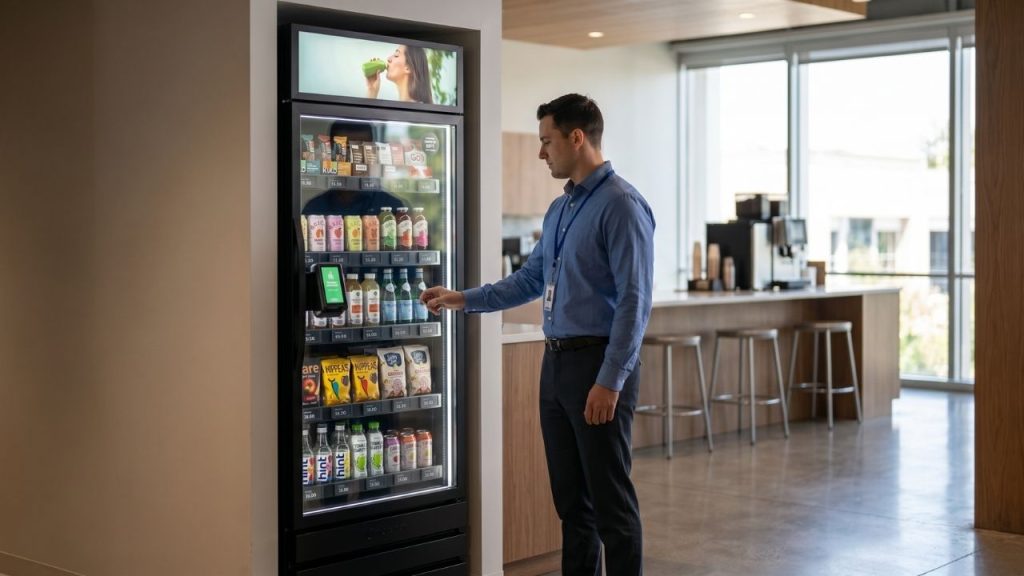
    “Back of house” vending amenities for hotel staff allow hospitality managers to provide consistent food access to housekeeping, front desk, and maintenance teams. Since hospitality workers often work irregular hours and may not be permitted to use guest dining facilities, a dedicated, well-stocked smart store in the breakroom serves as a vital retention tool and morale booster in Denver’s competitive hospitality labor market.

    In hospitality, the guest always comes first. Hotels invest millions in guest-facing amenities—spa-quality breakfasts, 24-hour room service, lobby coffee bars. Yet the staff who make that magic happen—the housekeepers who clean 15 rooms a day, the night auditors working until 3 AM—often have limited access to food during their shifts.

    This disparity creates resentment and turnover. In Denver’s tight hospitality labor market, where competitors are constantly poaching talent, taking care of “back of house” staff isn’t just nice—it’s strategic. A smart vending solution in employee areas is a low-cost, high-impact way to show your team they matter.

    The Logistics of Feeding a 24-Hour Housekeeping Team

    Hotels never sleep, which means staff schedules are all over the map:

    • Morning Housekeeping: Starts at 7 AM, often before the kitchen opens.
    • Night Audit: Works 11 PM – 7 AM, well after any dining service closes.
    • Maintenance: On-call 24/7, grabbing food whenever there’s a break between emergencies.

    Traditional solutions fail:

    • Break room snacks: Stale, limited, and not restocked consistently.
    • Access to guest areas: Often prohibited by policy or uncomfortable for staff.
    • Bring from home: Difficult for staff who commute via public transit or work double shifts.

    Smart Vending solves this:

    • Stocked with affordable, substantial meals (sandwiches, salads, wraps) not just candy.
    • Available 24/7 in the employee breakroom.
    • Managed and restocked by us—zero work for hotel management.

    Separating Guest Amenities from Staff Amenities

    There’s a reason hotels keep “back of house” separate from “front of house.” Guests pay a premium for privacy and exclusivity. Allowing staff to use guest vending or cafés during shifts blurs that line.

    The solution: Dedicated staff vending.

    • Location: Placed in employee-only areas (break rooms, locker rooms, back hallways).
    • Product Mix: Tailored to staff preferences and budgets—less gourmet, more filling and affordable.
    • Pricing: Often subsidized or free as a benefit, making it a true perk rather than a profit center.

    This separation maintains the guest experience while ensuring staff have their own dignified amenity that feels like care, not charity.

    Boosting Retention in the Competitive Denver Hotel Market

    Denver’s hospitality market is booming—convention center expansions, new luxury hotels, and increased tourism. But this growth creates fierce competition for talent.

    Turnover is expensive:

    • Recruiting costs.
    • Training time (lost productivity).
    • Errors from inexperienced staff (guest complaints).

    Retention strategies must address daily frustrations, and food access is a major one. Consider:

    • A night auditor working 8 hours with no nearby 24-hour food options. They get hungry, frustrated, and less productive.
    • A housekeeper who skips lunch to finish their quota on time. They burn out faster.

    A Smart Vending machine positioned in the staff area addresses this immediately. For a minimal cost (or even free, if management subsidizes), you signal: “We see you. We value you.”

    Employee Benefits That Drive Retention

    Benefit Cost to Hotel Perceived Value by Staff
    Free Parking High (Lost Revenue) Medium (Standard Expectation)
    Uniform Allowance Medium Low (Necessity)
    24/7 Food Access Low (Subsidized Vending) High (Daily Impact)
    Gym Membership Medium Low (Rarely Used)

    > Food access delivers maximum ROI on staff satisfaction.

    Frequently Asked Questions

    Q: What if staff abuse the free vending privilege? A: We provide usage tracking. Most hotels see responsible use when framed as a benefit. If needed, we can configure daily limits per employee badge.

    Q: Can we customize the menu? A: Yes. We work with your staff to understand preferences and dietary needs (halal, kosher, vegan, etc.) to build a menu that reflects your team’s diversity.

    Q: Does this work for small boutique hotels? A: Absolutely. Even a single machine in a small break room makes a big impact. We tailor solutions to your property size and staff count.


    Take Care of the Team That Takes Care of Your Guests

    Your staff are your greatest asset. We deploy the best smart store machines in the industry, powered by AI analytics to ensure they are always stocked at the right time with the products your team needs most.

    Invest in retention. Invest in your people. Get Your Free Site Survey & Amenity Report