Tag: Smart Vending

  • Integration Nation: Connecting Vending to Property Tech

    Integration Nation: Connecting Vending to Property Tech

    Integration Nation: Connecting Vending to Property Tech

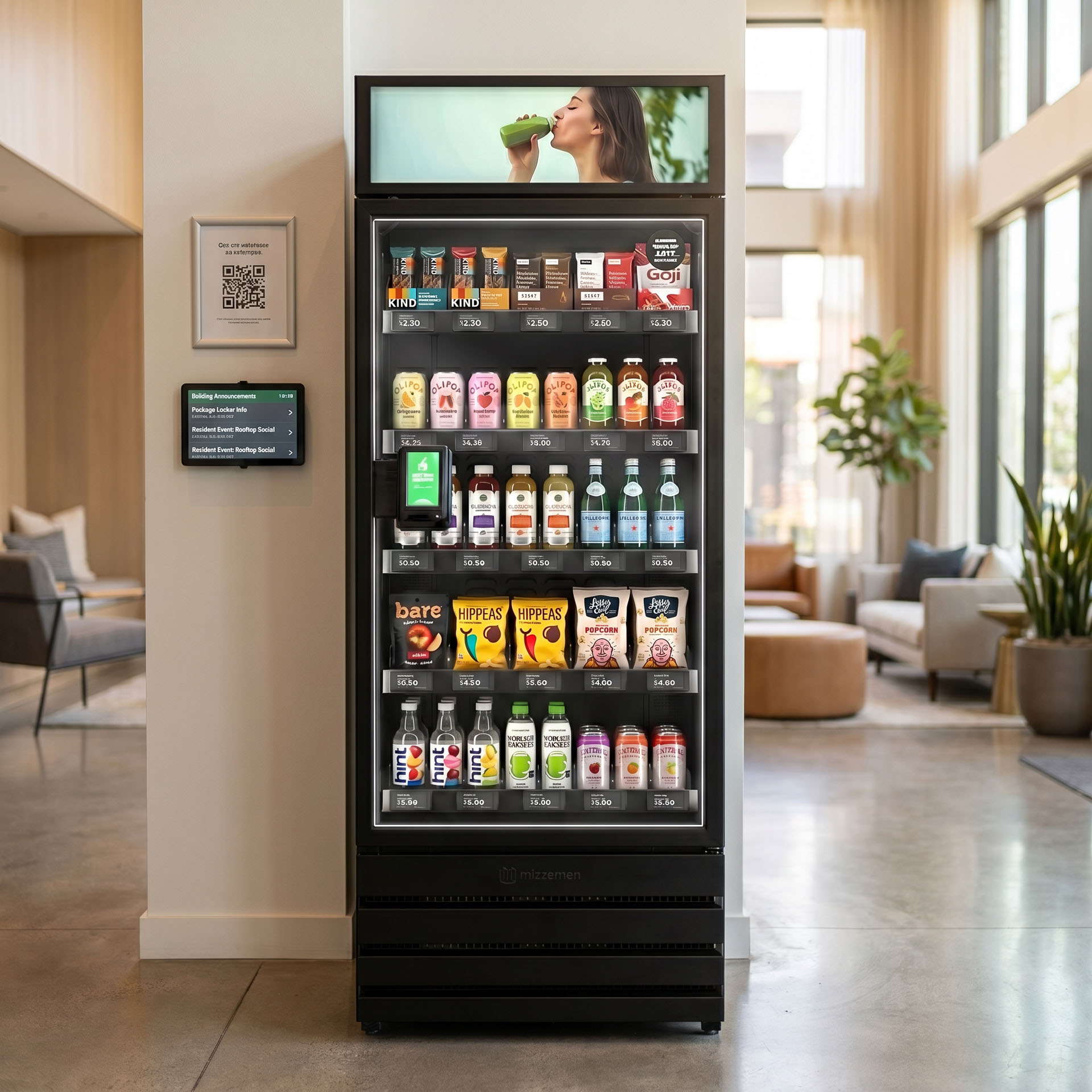
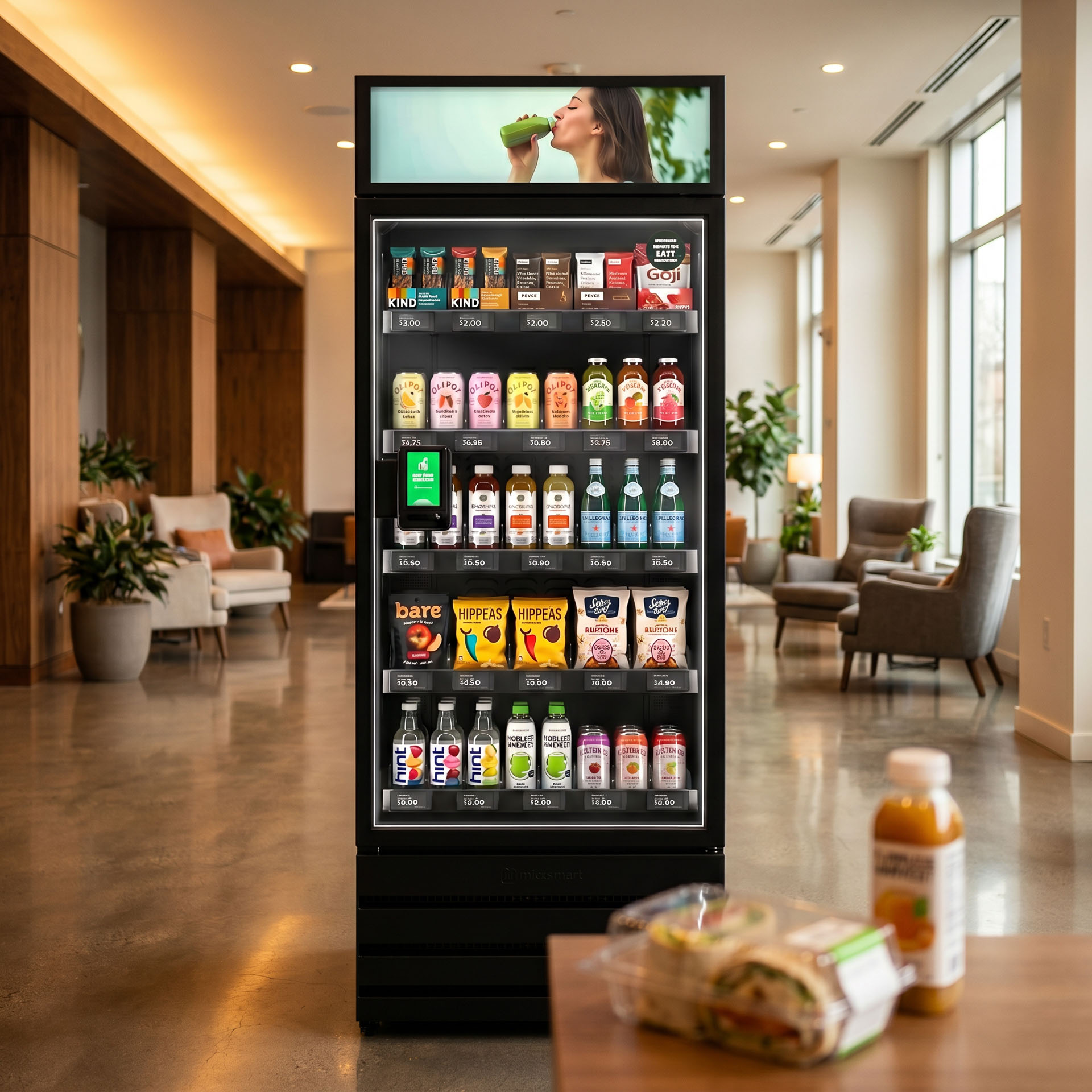
    Connecting vending to property tech means making the vending amenity fit the building’s digital operations, resident communications, service workflows, payment expectations, and reporting needs. It does not always mean a deep software integration with every property management system. The best approach is to connect the vending program where it improves the resident experience or reduces work for the property team.

    For property managers and ownership groups, the real goal is simple: smart vending should feel like part of the property’s operating system, not a disconnected machine that staff have to explain, monitor, or manage manually.

    Quick answer

    Smart vending can connect to property tech through resident apps, building communications, access planning, digital promotions, service workflows, payment support, and performance reporting. Some connections may be software-based. Others may be operational: clear launch communications, QR codes, resident portal placement, event credits, support routing, and reporting cadences.

    The right level of integration depends on the building, the resident journey, the provider’s capabilities, and what the property team actually needs.

    Start with the problem, not the integration

    Property tech stacks can already be crowded. Many teams use separate systems for leasing, payments, resident messaging, maintenance, access control, package management, events, and reputation management.

    Adding vending to that environment should not create another dashboard for staff to check. The first question should be:

    What job does this connection need to do?

    Useful answers might include:

    • help residents discover the amenity
    • make payment support clear
    • route service issues to the right provider
    • support resident events or move-in promotions
    • show usage trends to the property team
    • coordinate launch messaging
    • keep the amenity aligned with the building’s access rules

    If an integration does not solve a real problem, it may add complexity without improving the amenity.

    Common connection points

    Property teams can think about vending and property tech in layers:

    Connection PointWhat It Can DoBuyer Question
    Resident app or portalAnnounce the amenity, share instructions, promote creditsHow will residents learn it exists?
    Digital signage or emailSupport launch, events, and product updatesWho writes and manages the message?
    Access control planningPlace the unit where the right users can reach itDoes this location match resident and guest access rules?
    Payment supportKeep transaction questions out of the leasing officeWho handles refunds and receipts?
    Maintenance workflowsRoute machine issues to the providerHow does staff report a problem without owning it?
    ReportingShow usage, product movement, and service insightsWhat data will the provider share and how often?
    Resident eventsSupport move-in, renewal, or appreciation creditsCan promotions be managed without staff handling inventory?

    The strongest programs connect the resident experience and the service model. They do not integrate just for the sake of sounding advanced.

    Resident communication is usually the first integration

    Apartment resident reading a smart vending amenity announcement on a resident portal app on their phone.

    Most apartment teams do not need a complex technical integration on day one. They need residents to know what the smart vending amenity is, where it is, how payment works, and who to contact if there is an issue.

    That can happen through:

    • resident portal announcements
    • move-in emails
    • building newsletters
    • app posts
    • lobby signage
    • QR codes near the cabinet
    • event communications
    • renewal or resident appreciation messages

    This is a real form of integration because it connects the amenity to the resident journey. If residents never hear about the cabinet, the technology behind it does not matter.

    Payment support should stay out of the leasing office
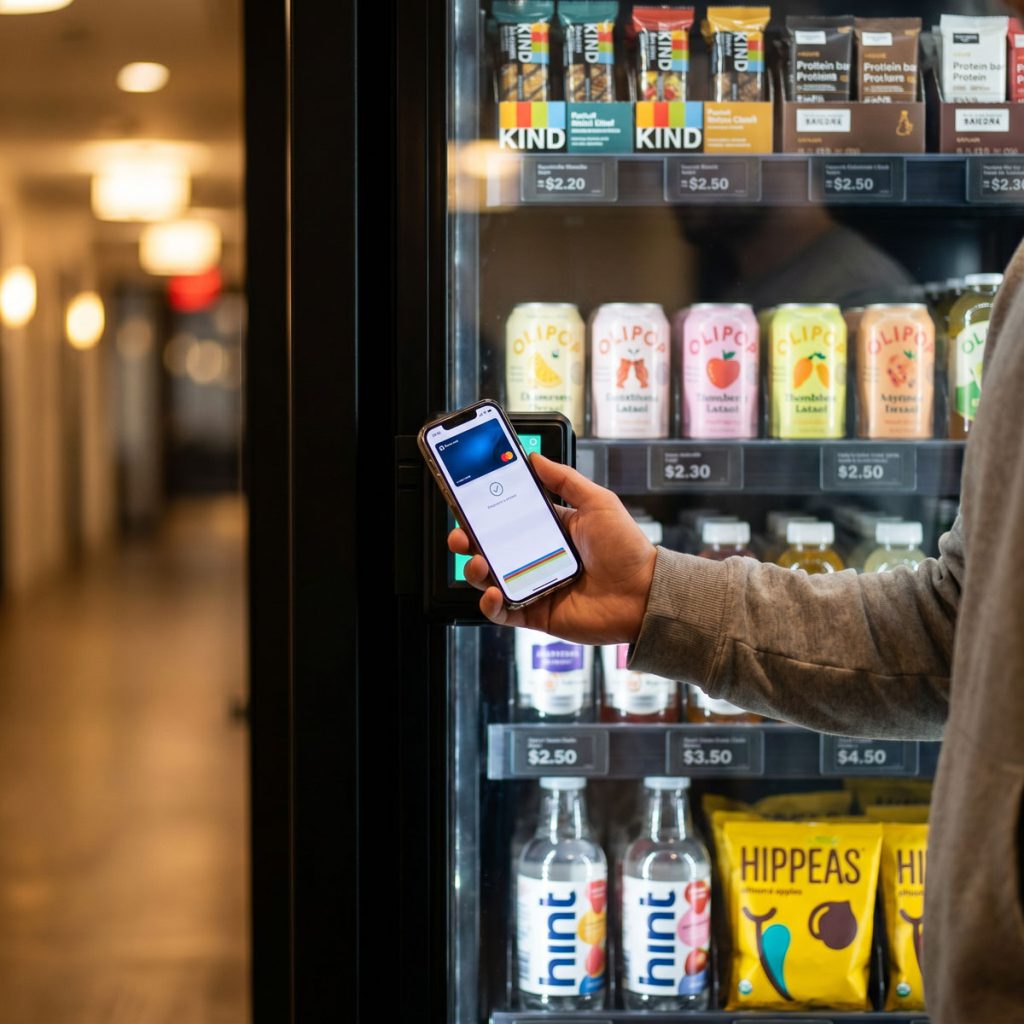
    Apartment resident tapping a mobile wallet to pay at a smart vending cabinet cashless payment terminal.

    Payment is one of the most important operational boundaries. Smart vending should support card and mobile wallet behavior, digital receipts, and provider-managed payment questions.

    The property team should know how residents get help, but it should not become the payment-support desk. A strong provider should define:

    • where receipt questions go
    • who handles refunds
    • how residents report transaction issues
    • how quickly support responds
    • what staff should do if a resident asks the leasing office

    This is where property tech and service design overlap. The resident should have a clear path, and the property team should not inherit the work.

    Access planning matters as much as software

    Some vending “integration” questions are really access questions. The property needs to decide who can reach the amenity and when.

    For example:

    • Is the cabinet in a resident-only area?
    • Can guests reach it?
    • Does it sit behind controlled entry?
    • Is it visible to staff or cameras where appropriate?
    • Can the provider service it without disrupting residents?
    • Does the location work after leasing-office hours?

    The vending system does not need to integrate with access control software in every case. But the placement should respect the building’s access strategy.

    Reporting should be useful, not noisy

    Smart vending can produce useful operating information, but property teams do not need another stream of raw data.

    Good reporting should answer:

    • Are residents using the amenity?
    • Which product categories are strongest?
    • Are restocks aligned with demand?
    • Are service issues being resolved?
    • Is the product mix changing based on behavior?
    • Are resident events or credits being used?

    The best reporting cadence is usually simple and decision-oriented. Ownership and regional teams may want periodic summaries. Onsite teams may only need exception-based updates and a clear support process.

    Promotions and resident events

    Property tech can make vending more useful during resident events. A smart vending program can support launch credits, renewal-week promotions, move-in welcome moments, product sampling, or resident appreciation campaigns.

    The integration does not have to be complicated. The provider and property team can coordinate:

    • who receives the promotion
    • when it runs
    • what products are included
    • how residents learn about it
    • who handles questions
    • what data is reviewed afterward

    The goal is to make the amenity part of the resident experience, not to create a one-off giveaway that staff have to manage manually.

    What should not be integrated

    Not every system should connect. Property teams should be cautious about unnecessary access to resident data, overly complex API promises, or integrations that require staff to manage product decisions.

    Avoid integration plans that:

    • require the property team to monitor inventory
    • push vending support into the leasing office
    • collect more resident data than needed
    • depend on a custom connection with no clear owner
    • sound impressive but do not improve resident use or service
    • create a new manual process for staff

    Simple and reliable is often better than complex and fragile.

    Data and privacy questions

    Any technology-connected amenity should be clear about data boundaries. Property teams should ask what data is collected, who can access it, how payment information is handled, and what reporting is shared with the property.

    For most smart vending decisions, the property does not need personal shopping profiles. It needs operational insight: product performance, usage trends, restock needs, and service quality.

    The provider should be able to explain the difference.

    What a connected vending rollout looks like

    A practical rollout might follow this sequence:

    1. Review building traffic, access, power, and visibility.
    2. Choose the cabinet location and product categories.
    3. Define resident communication before launch.
    4. Set payment support and service routing.
    5. Launch with clear signage and resident messaging.
    6. Review early usage and product performance.
    7. Adjust product mix, promotions, or communication based on behavior.

    The property team should be involved in decisions about location, audience, and messaging. The provider should own the vending operation.

    Questions to ask before connecting vending to property tech

    Before approving an integration plan, ask:

    • What resident or staff problem does this connection solve?
    • Does it require a true software integration or just better communication?
    • Who owns payment support?
    • Who owns maintenance and service routing?
    • What data will the provider share?
    • Does the plan require property staff to manage inventory?
    • How will residents learn about the amenity?
    • How will promotions or credits be handled?
    • What happens if a system connection fails?
    • Can the vending program still operate without creating staff work?

    The answers should clarify responsibility, not create new ambiguity.

    Make the amenity feel connected without making it complicated

    The best smart vending programs connect to property tech in ways residents and staff can feel: clear communication, easy payment, visible support, useful reporting, and clean service ownership. They do not need to be over-engineered to be effective.

    For Denver and Colorado properties, the strongest path is to treat smart vending as part of the amenity and operations ecosystem. Connect it where it improves adoption, service, reporting, and resident experience. Keep the vending operation with the provider.
    The next step is a site and workflow review: where the cabinet belongs, how residents will find it, how support gets routed, and what reporting the property actually needs.
  • Fighting Food Waste with AI Inventory Management

    Fighting Food Waste with AI Inventory Management

    Fighting Food Waste with AI Inventory Management

    AI inventory management can help fight food waste in smart vending by matching products more closely to real demand, flagging slow-moving items, improving restock timing, and helping operators rotate inventory before products expire. The goal is not to make a vending program magically waste-free. The goal is to make better stocking decisions with better information.

    For property and facility teams, the practical question is whether the vending provider can use inventory data to reduce stale products, avoid overstocking, and keep the amenity useful without asking onsite staff to manage the cabinet.

    Quick answer

    AI inventory management supports waste reduction by tracking what sells, what sits, what needs restocking, and what should change by location. In a managed smart vending program, that information can guide product mix, service timing, fresh-food rotation, and cabinet sizing.

    The biggest waste problem in vending is not usually one dramatic mistake. It is a series of small mismatches: wrong products, wrong quantities, wrong restock timing, and too little follow-up after launch.

    Where food waste happens in vending

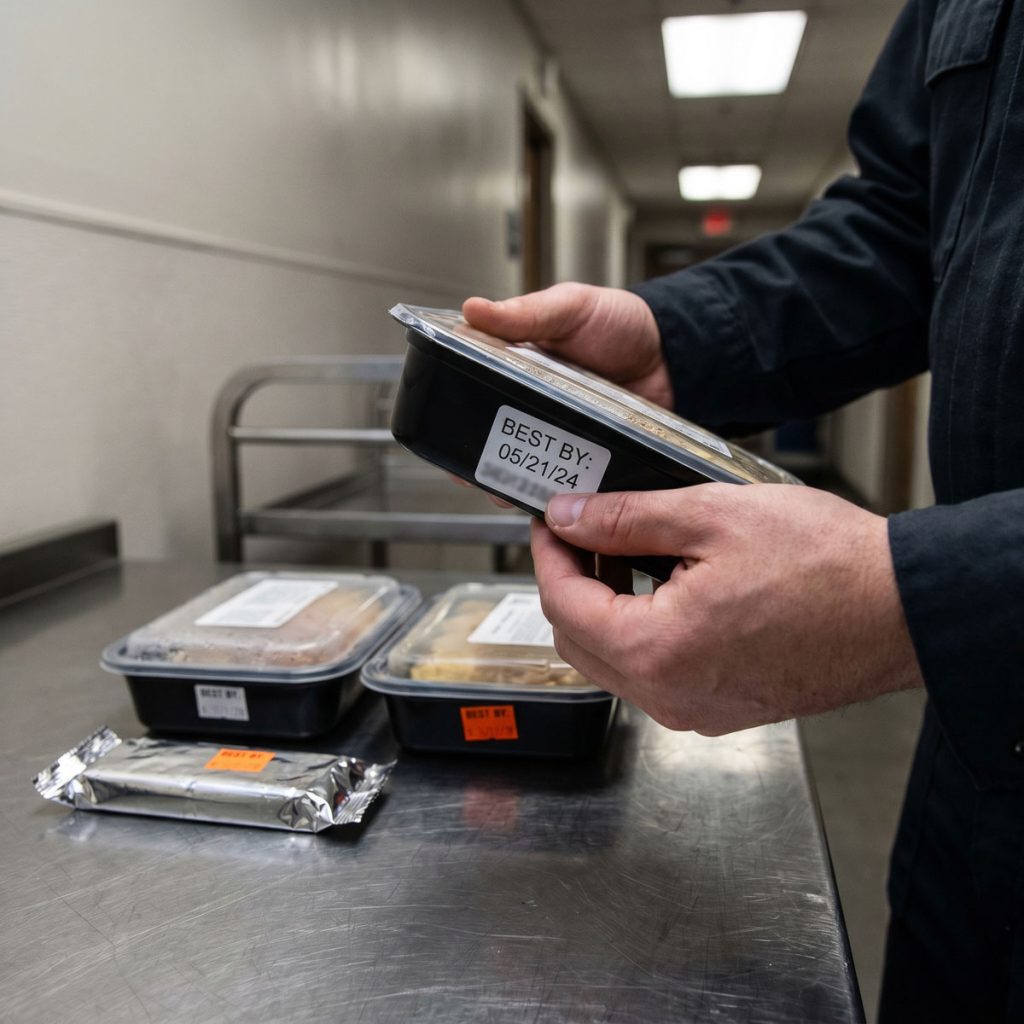
    Close-up of expired and slow-moving vending products being removed to reduce food waste.

    Food waste in vending and onsite retail usually comes from operational mismatch. A product may be perfectly good in one building and a poor fit in another.

    Common causes include:

    • stocking the same products in every location
    • overestimating demand for fresh meals
    • underestimating late-night or weekend use
    • letting slow-moving items stay too long
    • using a restock schedule that does not match real sales
    • choosing a cabinet that is too large for the location
    • adding local or premium products without confirming demand
    • failing to rotate refrigerated products carefully

    Waste is not only a sustainability issue. It also affects resident and employee trust. If a cabinet feels stale, empty, or poorly matched to the audience, usage can fall.

    What AI inventory management actually means

    In a smart vending context, AI inventory management should mean practical product intelligence, not vague technology language.

    Useful capabilities may include:

    • product-level sales visibility
    • remote inventory monitoring
    • demand patterns by location
    • alerts when key products are low
    • slow-seller identification
    • restock planning based on actual use
    • support for product mix changes
    • better matching of refrigerated, frozen, and pantry products

    The provider still needs human judgment. The data can show what is happening, but the operator has to decide what to change, when to restock, and how to protect product quality.

    Demand-based stocking is the first lever

    The simplest way to reduce avoidable waste is to stock what people actually buy.

    That sounds obvious, but many vending programs still start from a generic list. The same drinks, snacks, and meals may be placed in an apartment lobby, office break area, warehouse, and fitness-adjacent space even though those audiences behave differently.

    Demand-based stocking asks:

    • What sells quickly?
    • What sells slowly?
    • What never gets touched?
    • What sells at certain times of day?
    • Are people buying meals, snacks, drinks, or essentials?
    • Do products change during move-in, events, or seasonal shifts?

    When the operator answers those questions regularly, the cabinet can become more useful and less wasteful.

    Product rotation matters for fresh food

    Fresh meals and refrigerated products can make a smart vending amenity more useful, but they require discipline. A provider should not add fresh food just because it looks good in a product photo.

    Fresh-food decisions should account for:

    • expected demand
    • shelf life
    • refrigeration performance
    • restock frequency
    • product rotation process
    • visibility of expiration dates
    • service access
    • local demand for meals versus snacks

    If a location does not have enough demand for fresh food, a stronger plan may use more shelf-stable meals, frozen options where supported, or a smaller refrigerated selection.

    AI helps by finding patterns faster

    Vending operator reviewing AI inventory demand data and sales patterns on a tablet or laptop

    Inventory data can reveal patterns that manual checks miss. A cabinet may show strong demand for full meals after 8 PM, low demand for a certain beverage, or different weekday and weekend behavior.

    Those patterns can help the operator:

    • reduce quantities of slow-moving products
    • increase space for products that sell consistently
    • test a small number of new items before expanding
    • restock fresh items closer to when demand happens
    • avoid filling the cabinet for appearance rather than use
    • identify locations that need a smaller setup

    The value is in acting on the data. A dashboard does not reduce waste unless the provider changes the product plan.

    Smart cabinets can reduce stockouts and overstock

    Stockouts and overstock are two sides of the same problem. If popular items are empty, residents stop trusting the amenity. If unpopular items fill the shelves, products may expire or need to be removed.

    Remote monitoring helps the provider see both issues. A better program should keep the cabinet stocked enough to feel useful without overfilling categories that do not move.

    Inventory SignalWhat It May MeanBetter Response
    Repeated stockoutsProduct demand is stronger than expectedIncrease quantity or restock frequency
    Slow movementProduct does not fit the audienceReplace or reduce the item
    Fresh item wasteDemand is lower than shelf life requiresUse smaller quantities or different formats
    Late-night meal salesResidents need after-hours foodAdjust restock timing and meal selection
    Low category demandCabinet mix is too broadShift space to stronger categories

    Sustainability claims need discipline

    Food waste is a serious topic, so claims should stay specific. A provider can say that AI inventory management may help reduce avoidable waste by improving product fit and restock decisions. It should not claim zero waste unless it can prove that outcome.

    Property teams should ask what the provider actually tracks:

    • expired products
    • removed products
    • slow movers
    • stockouts
    • category performance
    • restock frequency
    • product changes after launch

    The answer should be operational, not just environmental language.

    The property team should not manage waste

    A smart vending program should not shift food-waste work to the property. Onsite staff should not be asked to check dates, remove products, track sales, or tell the provider what to stock every week.

    The provider should own:

    • product selection
    • inventory monitoring
    • restocking
    • rotation
    • product removal
    • service timing
    • payment support
    • cabinet maintenance

    That accountability matters because waste prevention depends on consistent follow-through.

    How this applies in apartment and workplace settings

    In apartment buildings, inventory management can support resident routines: breakfast, work-from-home meals, after-gym drinks, late-night snacks, and small essentials. The product mix should reflect how residents actually use the building.

    In offices and facilities, demand may cluster around morning coffee, lunch gaps, long shifts, meetings, or visitor traffic. A workplace cabinet may need different items than a residential cabinet, even when the hardware looks similar.

    The best provider does not treat those buildings as interchangeable.

    Questions to ask a provider

    Before accepting a food-waste or AI inventory claim, ask:

    • What inventory data do you review?
    • How often do you adjust the product mix?
    • How do you identify slow-moving products?
    • What happens before refrigerated products expire?
    • Do you track removed or wasted products?
    • How do you decide whether fresh meals fit a location?
    • Can the cabinet size or category mix change after launch?
    • Who is responsible for product rotation?
    • What does the property team have to do?

    Specific answers are more useful than broad claims about AI.

    Make waste reduction operational

    Fighting food waste with AI inventory management works when the technology supports a disciplined operating model. The provider needs to monitor demand, rotate products, restock intelligently, and keep adjusting the mix after the cabinet is installed.

    For Colorado property and facility teams, smart vending can support a more responsible onsite retail program when product fit, service timing, and inventory decisions are treated as ongoing work.

    The next step is not choosing the biggest product list. It is reviewing the audience, location, refrigeration needs, and service plan so the cabinet can stay useful with less avoidable waste.

  • Denver Apartment Amenities That Actually Increase Resident Retention

    Denver Apartment Amenities That Actually Increase Resident Retention

    Denver Apartment Amenities That Actually Increase Resident Retention

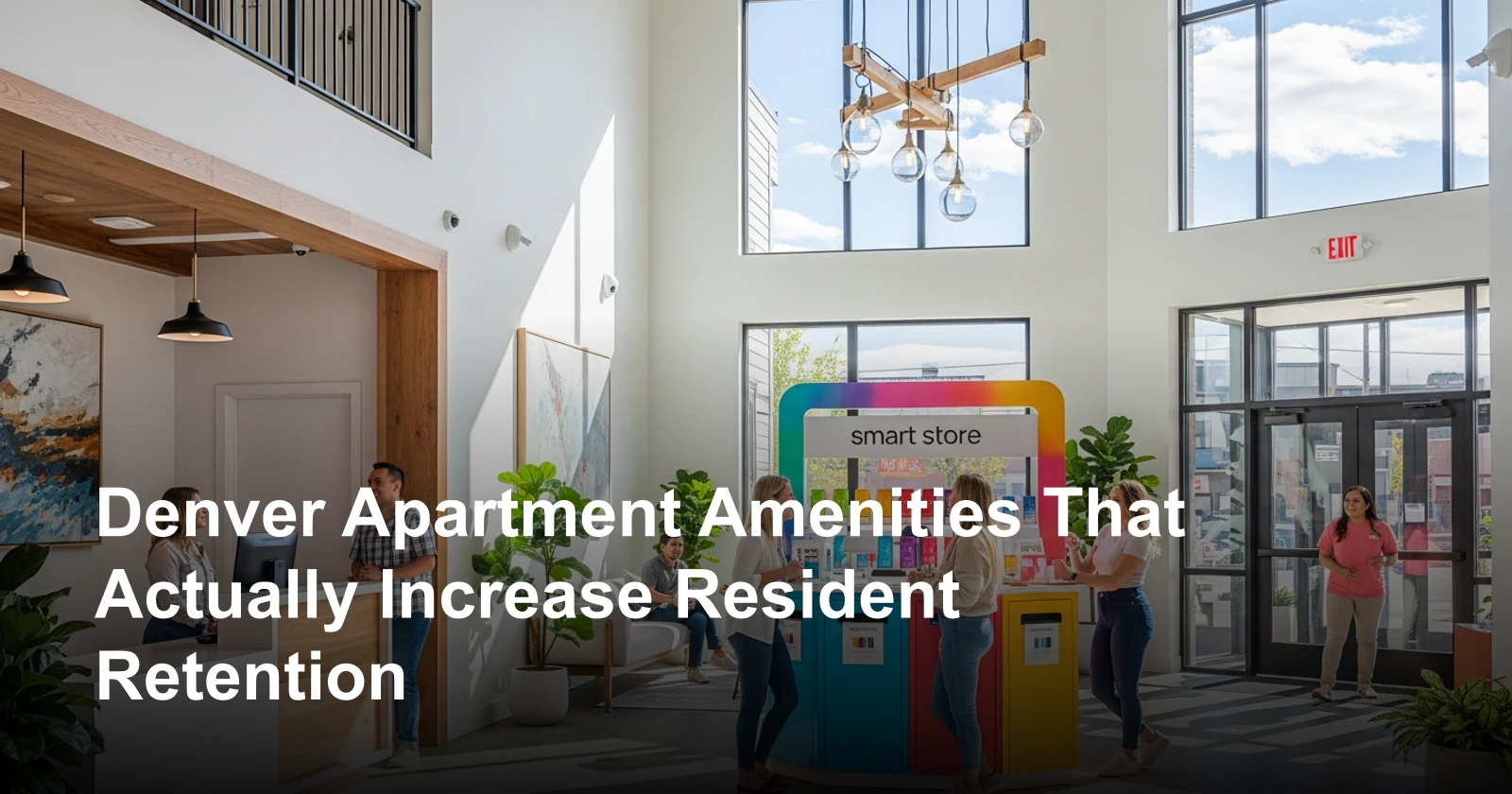
    The Denver apartment amenities most effective at increasing resident retention in 2026 combine daily practicality with low friction — on-site fitness centers, 24/7 package lockers, coworking lounges, and smart stores. On-site smart vending fills one of the highest-frequency daily needs: access to snacks, beverages, and household essentials without leaving the building. It delivers measurable satisfaction and renewal lift with zero additional management burden on property staff.

    In Denver’s multifamily market, resident retention is the KPI that matters most. Turnover costs — vacancy loss, make-ready expenses, leasing commissions, and marketing spend — can easily exceed $3,000 to $5,000 per unit depending on the property class and submarket. Every lease renewal you secure is money that stays in the building.

    The challenge is that resident expectations keep rising. What was a differentiator two years ago is a baseline expectation today. Property managers are constantly being asked to do more with the same team and the same budget. The key is finding amenities that have a high impact on resident satisfaction without creating new operational obligations for your staff.

    The Amenities Denver Renters Actually Want in 2026

    Resident preference data from the National Multifamily Housing Council (NMHC) and other industry research consistently surfaces the same themes: residents want convenience, reliability, and connection. They want amenities they actually use every day — not a rooftop lounge that looks great in photos but gets used four times a year.

    Here’s how Denver properties are scoring on the amenities that matter most:

    Amenity Daily Use? Zero-Management Option? Retention Impact
    Smart Store / Vending Yes Yes (full-service vendor) High
    Package Lockers Yes Yes (third-party management) High
    In-Unit Washer/Dryer Yes N/A (in-unit) Very High
    High-Speed Wi-Fi Yes Yes (provider-managed) High
    Fitness Center 3–5x/week Partial (monthly cleaning) Medium-High
    Coworking Lounge Variable Low (furniture, cleaning) Medium
    Rooftop / Pool Seasonal Low (seasonal maintenance) Medium
    Dog Wash Station Weekly Low (cleaning schedule) Medium

    The pattern is clear: the amenities with the highest retention impact are those used daily, and the best ones can be fully outsourced to a specialist vendor. On-site convenience hits both marks.

    Why On-Site Convenience Drives Renewals

    Consider the daily friction points a Denver apartment resident faces when their building lacks on-site convenience: running out of coffee before a morning call, needing a water bottle for a workout, forgetting a snack for a late work session. Each small inconvenience requires leaving the building — a five-to-fifteen minute round trip that residents consciously or unconsciously associate with their living experience.

    When those same residents have a smart store on-site, their perception of the building fundamentally shifts. The property stops being just an address and becomes a self-sufficient environment. That shift in perception is the substrate of lease renewals.

    This plays out particularly strongly in Denver because of the city’s demographics. Denver consistently ranks among the top metros in the country for percentage of young professionals working remotely or in hybrid arrangements. Residents who are in their buildings more are also more aware of — and more dependent on — the quality of their on-site amenities. A well-stocked smart store in 2026 has roughly the same psychological significance as a reliable parking situation: when it’s good, residents don’t think about it; when it’s missing, they feel it every day.

    Smart Stores: The Zero-Effort Amenity That Pays for Itself

    For property managers weighing the cost-benefit of adding or upgrading on-site convenience, the smart store model removes the traditional objections.

    There is no staffing cost. Unlike a leased coffee shop or managed retail space, a smart store requires no on-site employees. The vendor handles everything.

    There is no inventory management. AI Vending’s system monitors product levels in real time and dispatches restocking based on actual consumption data — not a fixed calendar, and not a report from your office.

    There is no maintenance burden. Any technical issue — payment terminal, cooling unit, display screen — is handled by our support team. Property staff need not be involved at any step.

    There is no capital outlay. AI Vending provides and installs the equipment. The property provides space and electrical access. The service is sustained through product revenue.

    What you get in return: a fully operational, resident-valued amenity that is available 24 hours a day, 365 days a year, without adding a single task to your team’s workload.

    Related reading: Smart Store vs. Traditional Vending Machine: What Denver Properties Need to Know | Smart Vending Denver: Why AI-Powered Stores Are Replacing Old Machines

    Frequently Asked Questions

    Q: How do I justify the space commitment for a smart store to my ownership group? A: Frame it in terms of retention value. If a smart store helps retain even two additional residents per year who would otherwise have moved, the avoided turnover costs alone will comfortably exceed any opportunity cost from repurposing the space.

    Q: What size building works best for a smart store? A: Smart stores are most effective in communities of 100 units or more, where daily foot traffic is sufficient to sustain a diverse product selection. For smaller buildings, a single or dual vending machine may be the more appropriate choice — and AI Vending serves both formats.

    Q: Can we brand the smart store as part of our property’s identity? A: Yes. We work with properties to customize the store’s signage and visual presentation to align with the community’s brand and design language.


    Add a Zero-Effort Amenity That Residents Actually Use

    The most effective Denver apartment amenities are ones that residents interact with daily — and that your team never has to manage. We deploy the best smart store machines in the industry, powered by AI analytics to ensure they are always stocked at the right time with the products your tenants love most.

    Give your residents a reason to stay. Get Your Free Site Survey & Amenity Report

  • How Denver Property Managers Are Adding Amenities Without Adding Work

    How Denver Property Managers Are Adding Amenities Without Adding Work

    How Denver Property Managers Are Adding Amenities Without Adding Work

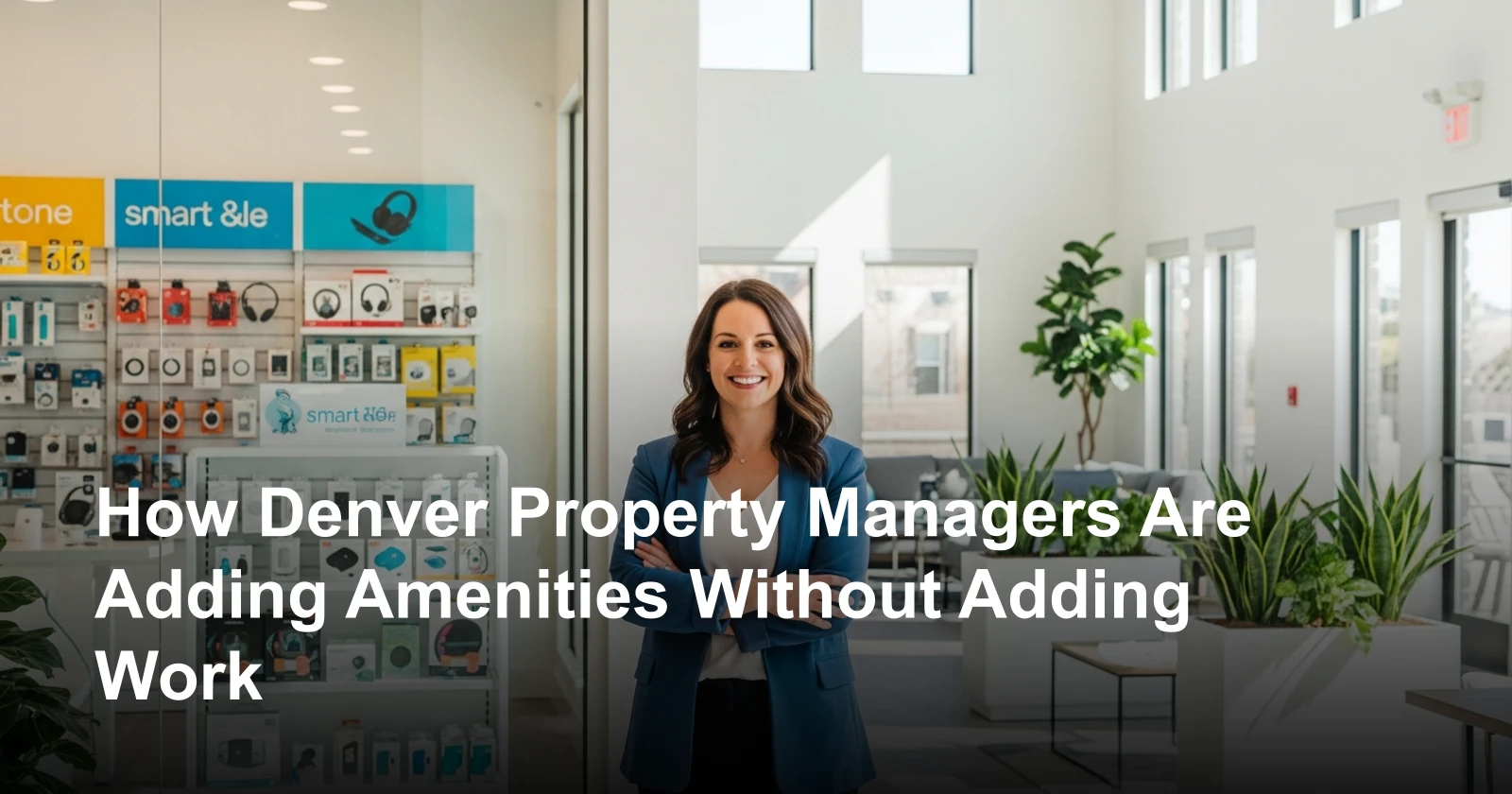
    Denver property managers are adding high-demand amenities like smart stores and automated convenience kiosks without increasing their workload by partnering with full-service vendors who own every operational detail. Instead of managing inventory or scheduling maintenance, they outsource the entire operation — gaining a resident-loved amenity while the vendor handles everything from restocking logistics to product curation. The result is a better property experience at zero marginal labor cost to the management team.

    There’s a tension that defines the day-to-day reality of most Denver property managers: residents expect more, ownership expects efficient operations, and team headcount stays flat. Every new amenity that gets added to a property is implicitly evaluated through the question of who manages it — and what happens when it breaks.

    The most progressive property management teams in Denver have found an answer to that question. They’re building amenity programs around services that don’t require their team to touch them after launch. The model is called full-service vendor partnership, and when executed correctly, it delivers exactly what the name implies: someone else does everything.

    The Amenity Arms Race in Denver Multifamily (And How to Win Without Burning Out)

    Denver’s multifamily market has been among the most competitive in the country for the past several years. New Class A development along the Front Range — from LoDo to Centennial to Westminster — has raised resident expectations at every price tier. Properties that offered a fitness center and a package room five years ago and called it done are now competing against buildings with coworking suites, pet spas, rooftop entertainment decks, and on-site retail.

    The property managers who are navigating this landscape most effectively aren’t those with the biggest amenity budgets. They’re the ones who are most strategic about which amenities they choose to add — specifically, which ones can run without their team’s daily involvement.

    The decision framework is straightforward: for any new amenity, ask two questions before committing.

    1. Who maintains it? If the answer is “our maintenance team” or “front desk coordinates”, that’s an operational cost in perpetuity.
    2. Who manages the experience? If the answer involves any ongoing scheduling, inventory checking, or complaint management by your staff, that’s a hidden labor burden.

    Smart vending and automated retail score favorably on both dimensions — because the vendor answers both questions.

    What “Full-Service” Really Means: No Tasks on Your Plate

    The phrase “full-service” gets used loosely in the vending industry. Some vendors use it to mean they’ll send a driver when the property calls to report low inventory. Others use it to mean you’ll receive a service call within 48 hours of reporting a malfunction. Neither of those is full-service.

    Genuine full-service in the smart vending context means:

    Before Installation:

    • Site survey conducted by the vendor
    • Equipment recommendations made by the vendor
    • Installation coordinated and executed entirely by the vendor

    After Installation:

    • Inventory monitored in real time by the vendor’s AI system
    • Restocking dispatched by the vendor based on consumption data
    • Maintenance identified proactively by the vendor’s self-diagnostics
    • Maintenance resolved by the vendor’s technician
    • Product assortment managed and optimized by the vendor
    • Payment processing, settlement, and dispute resolution managed by the vendor

    Property team’s role at every stage: None. The property provides space and electrical access at installation. After that date, the vendor operates the amenity.

    This is the model AI Vending has built for the Denver market, and it’s the standard your team should hold any prospective vending partner to.

    Real Examples of Hands-Off Amenity Wins in Denver

    Denver properties partnering with AI Vending follow a consistent pattern: initial skepticism about whether a vending amenity can really be that hands-off, followed by a rapid recalibration once they experience the service in practice.

    Here’s what that experience actually looks like from a property manager’s perspective:

    Month 1: Machine is installed. Manager approves the location, provides access on install day. Machine goes live, fully stocked.

    Months 1–6: Manager receives zero requests from residents about vending issues. Zero contact about restocking needs. One email from AI Vending confirming a scheduled maintenance visit for a payment terminal update — no action required from the property.

    Month 7 onward: The smart store becomes part of the property’s background — a feature that residents appreciate and staff never think about, because there’s nothing to think about.

    Compare this to a staffed amenity addition — even a modest one, like a coffee cart in the lobby three days a week. That amenity requires vendor coordination, scheduling confirmations, coverage arrangements when the vendor cancels, resident complaints when service is inconsistent, and ongoing oversight to ensure quality. The comparison makes the zero-touch advantage obvious.

    Illustrative time savings for a property team that transitions from a self-managed breakroom stocking arrangement to an AI Vending smart store:

    • Eliminated: weekly product purchasing and order coordination (~90 minutes/week)
    • Eliminated: delivery receipt and break room stocking (~45 minutes/week)
    • Eliminated: out-of-stock complaint responses (~20 minutes/week)
    • Eliminated: vendor communication and coordination (~30 minutes/week)

    That’s approximately 3 hours per week — or 150+ hours per year — returned to a property team that didn’t have time to spare.

    Related reading: Best Vending Machine Companies in Denver, CO | Denver Apartment Amenities That Actually Increase Resident Retention

    Frequently Asked Questions

    Q: Can I add a full-service smart store to an older Denver building that wasn’t designed for it? A: Yes. Our site survey process is specifically designed to identify creative placement solutions in buildings with non-standard layouts. We’ve successfully installed smart stores in converted common areas, repurposed storage alcoves, and underutilized lobby corners across a range of Denver property vintages.

    Q: What if our ownership group is skeptical about smart vending as an amenity? A: We can provide case study data and comparable property references from our Denver portfolio. The zero-upfront-cost model also reduces the financial friction of getting ownership buy-in — there’s no capital expenditure to approve.

    Q: How do we communicate the new amenity to residents without creating unrealistic expectations? A: We provide simple, professionally designed signage and communication templates that properties can use to introduce the smart store to residents. The messaging is calibrated to set accurate expectations about what’s available and how it works.


    Add the Amenity That Manages Itself

    Your team’s bandwidth is your most valuable resource. Don’t spend it managing a vending vendor. We deploy the best smart store machines in the industry, powered by AI analytics to ensure they are always stocked at the right time with the products your tenants love most.

    Zero new responsibilities. Measurable resident impact. Get Your Free Site Survey & Amenity Report