Amenities and Rent Growth: The Value Equation
Amenities can support rent growth when they improve perceived value, resident satisfaction, and retention, but they do not automatically justify higher rents by existing on a checklist. The value equation is strongest when an amenity is visible, useful, well-run, and aligned with what residents actually use.
For multifamily property teams, the practical question is not “Will this amenity raise rent by itself?” It is “Does this amenity improve the building experience enough to support pricing, retention, leasing, and reputation without adding operating drag?”
Quick answer
Amenities influence rent growth indirectly. They can help a property compete, support renewal conversations, improve tour impressions, and reduce resident friction. But rent growth depends on the full property, market, unit mix, location, pricing strategy, and resident demand.
A useful amenity contributes to the value equation when it creates everyday benefit and does not become another burden for onsite staff.
The value equation
A simple way to evaluate an amenity is:
| Value Driver | What It Means | What To Watch |
|---|---|---|
| Resident use | People actually use the amenity after move-in | Usage cannot be assumed from tour appeal |
| Tour signal | The amenity makes the property feel current | It should not feel gimmicky or out of place |
| Retention support | The amenity gives residents one more reason to stay | It must stay reliable after launch |
| Operational lift | The onsite team can support it without strain | Staff-heavy amenities can erase value |
| Differentiation | It helps the property stand out in a crowded set | The difference must be easy to explain |
| Cost structure | Ownership understands setup and ongoing costs | Hidden labor and maintenance matter |
An amenity is stronger when several of these drivers work together. A beautiful amenity that residents ignore is weak. A useful amenity that staff must constantly manage may also be weak. The best value usually comes from usefulness plus low operational burden.
Rent growth is not the same as amenity ROI
Rent growth is shaped by many factors outside the amenity package: market supply, comparable properties, concessions, renewal strategy, unit finishes, neighborhood demand, and broader economic conditions.
That is why property teams should avoid treating any single amenity as a guaranteed rent-growth lever. A better approach is to ask whether the amenity helps the property defend value.
Useful amenities can support:
- stronger first impressions during tours
- fewer resident complaints about convenience gaps
- better renewal conversations
- more confidence in the amenity package
- a clearer difference from nearby alternatives
- practical daily value after move-in
Those outcomes can matter even when they are hard to isolate in a spreadsheet.
Daily-use amenities often carry more weight
Some amenities are impressive but occasional. Others are smaller but used often. Property teams should understand the difference.
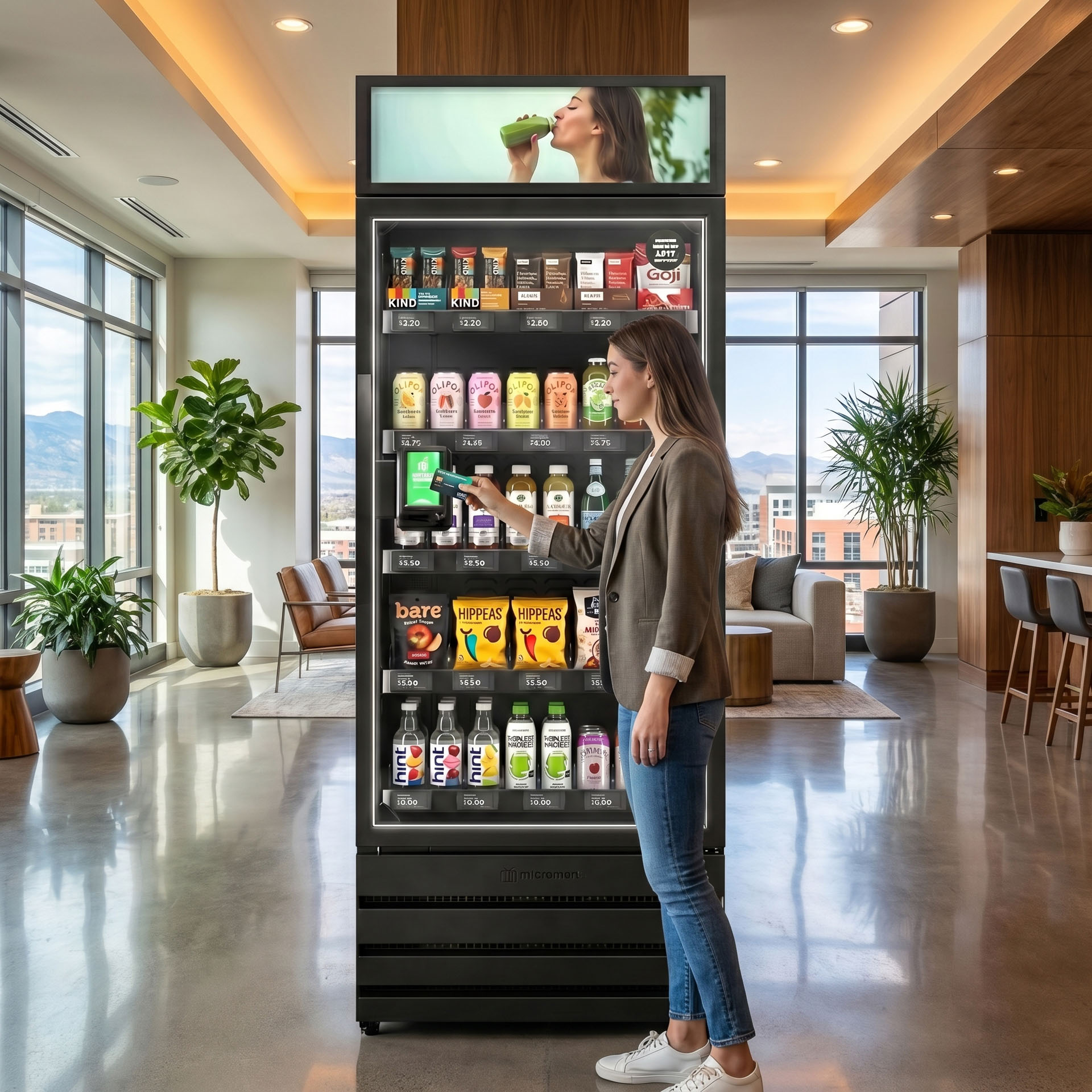
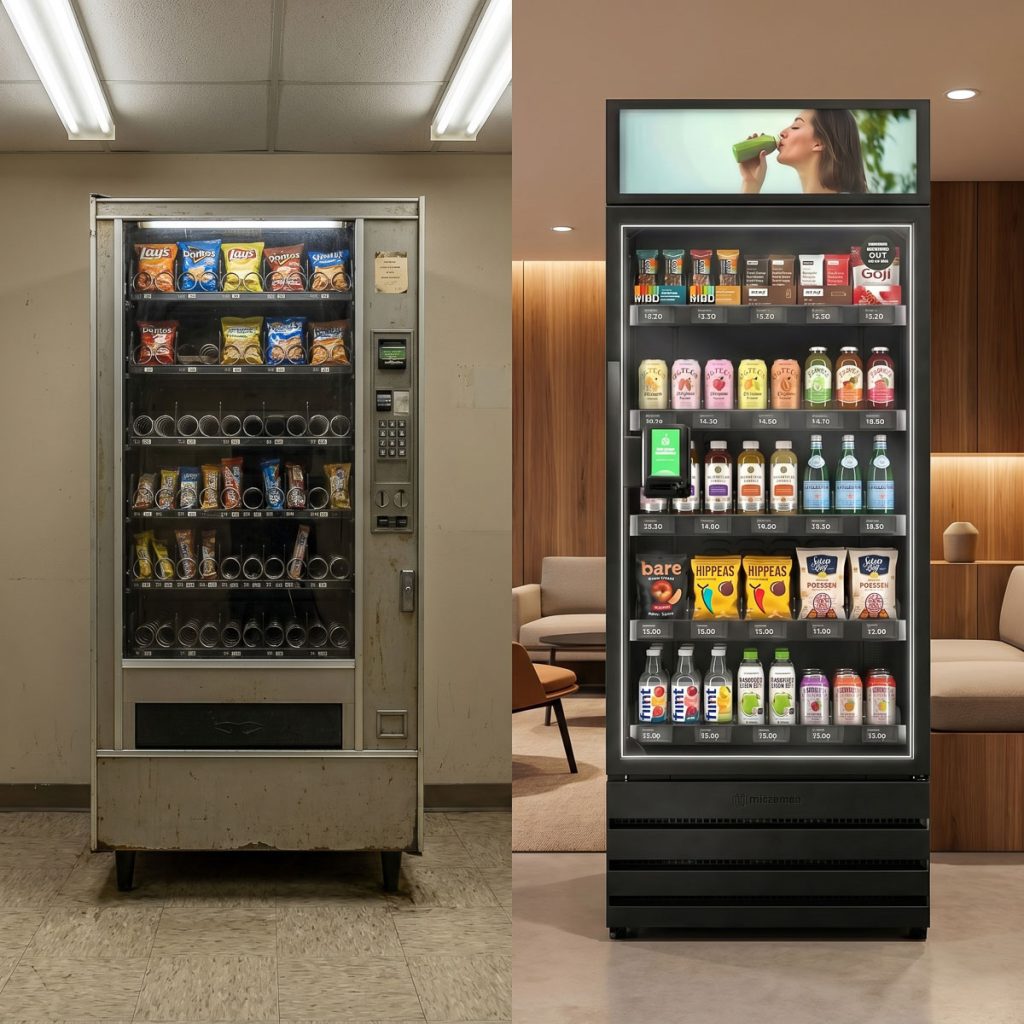
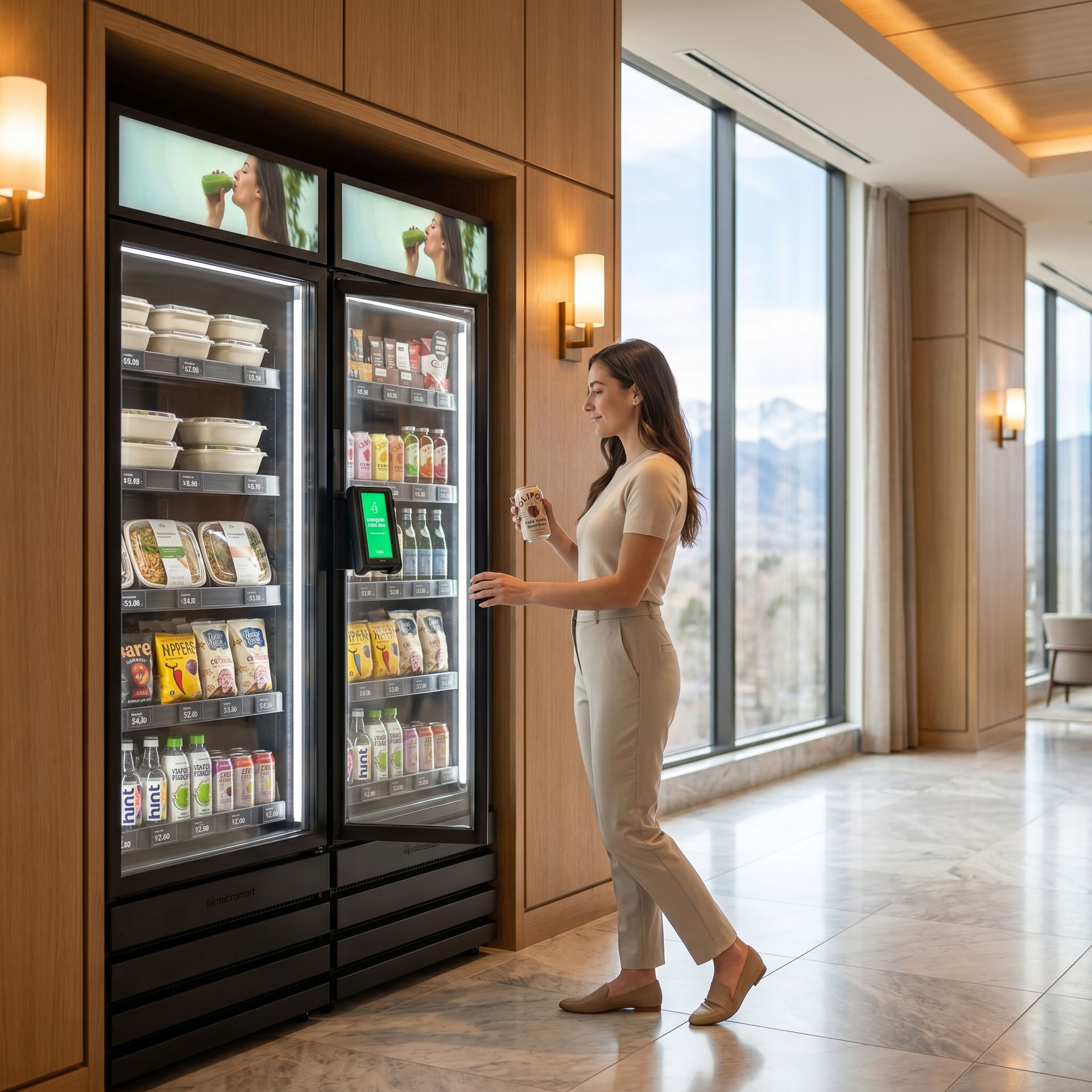
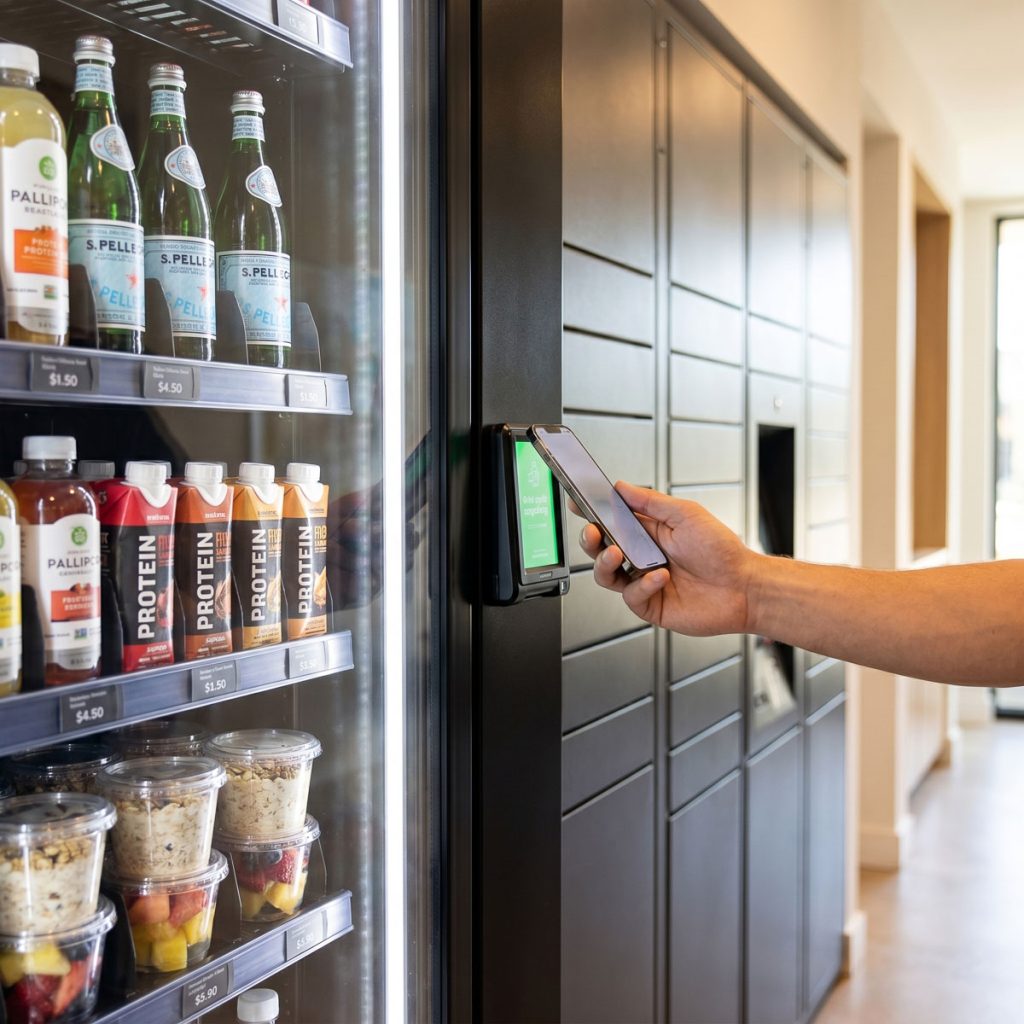
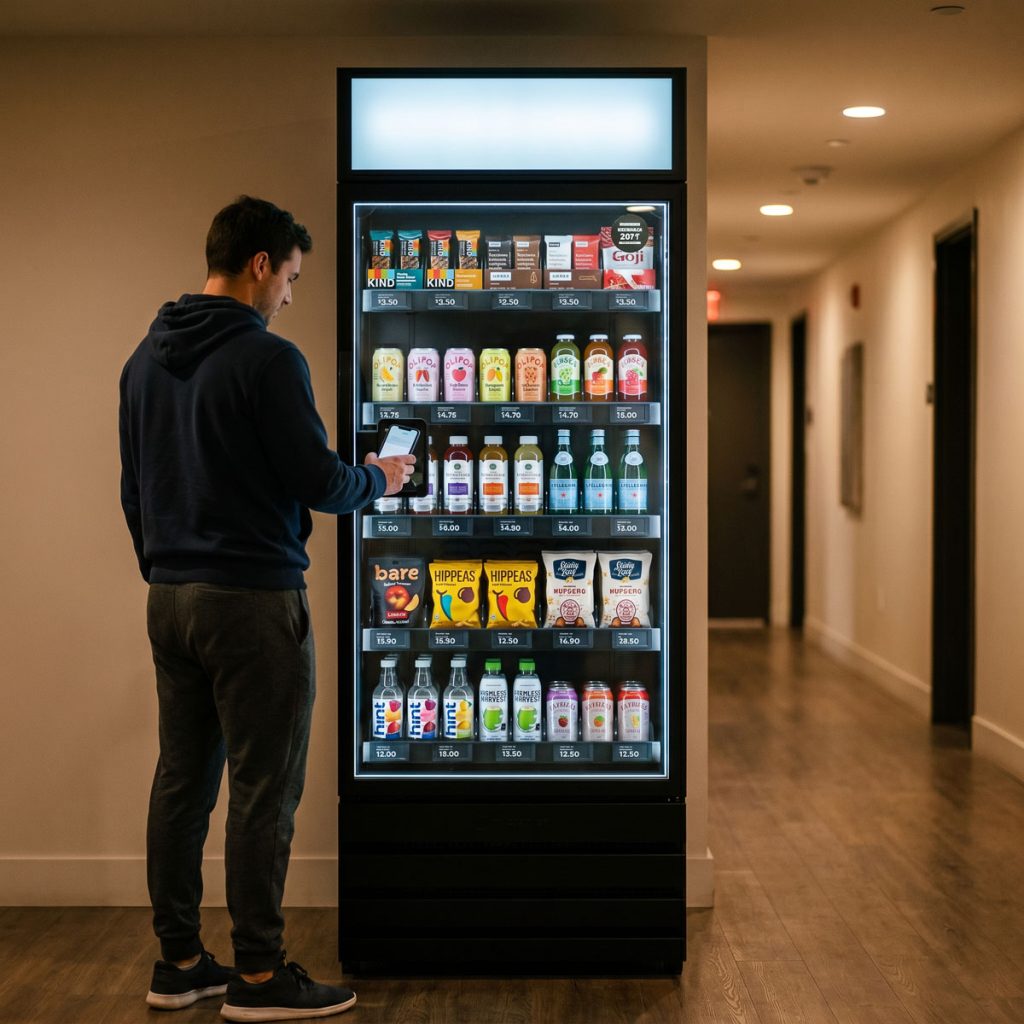
A rooftop deck may help the tour. A coworking area may support remote workers. Package lockers may reduce friction. Fitness centers may support lifestyle expectations. Smart vending can add daily convenience because residents understand the use case immediately: drinks, snacks, meals, and essentials inside the building.
The best amenity mix usually includes both brand-building features and practical features residents use between lease signing and renewal.
Smart vending inside the value equation
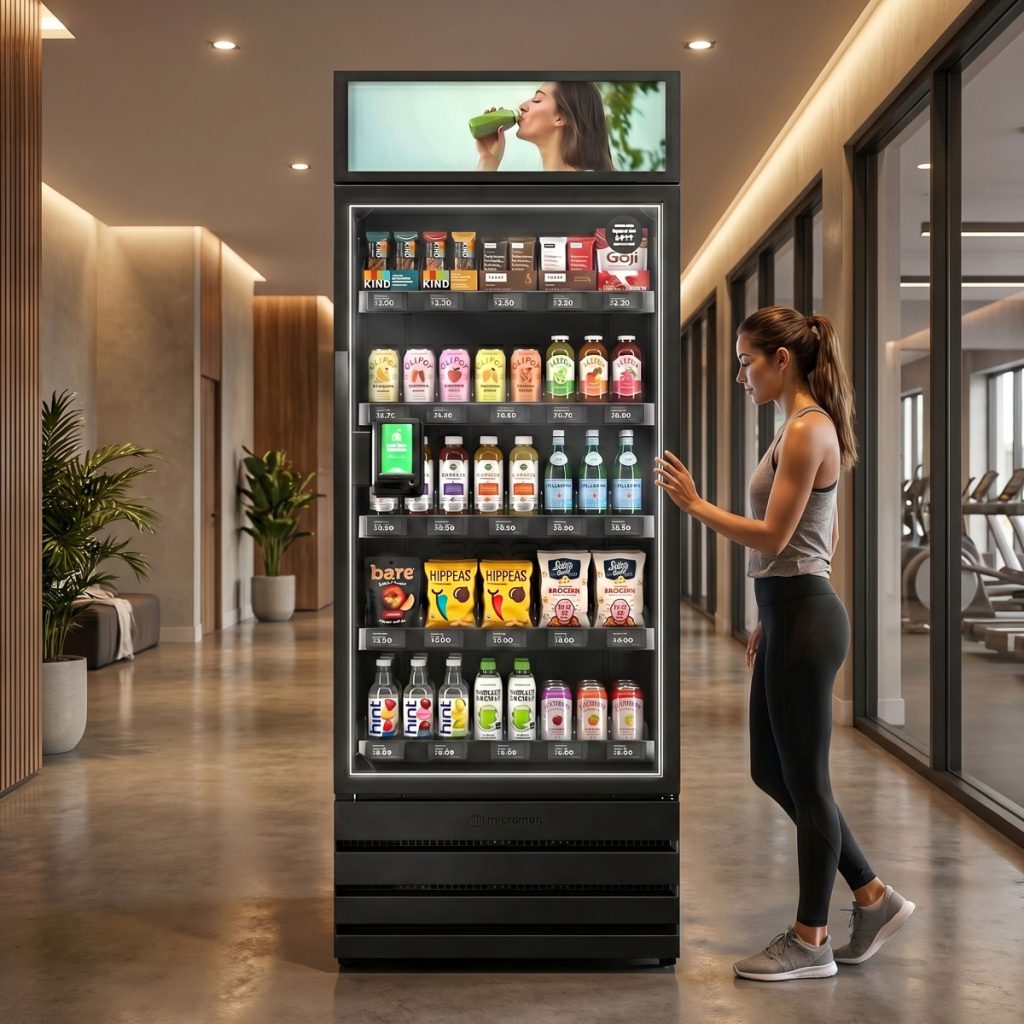
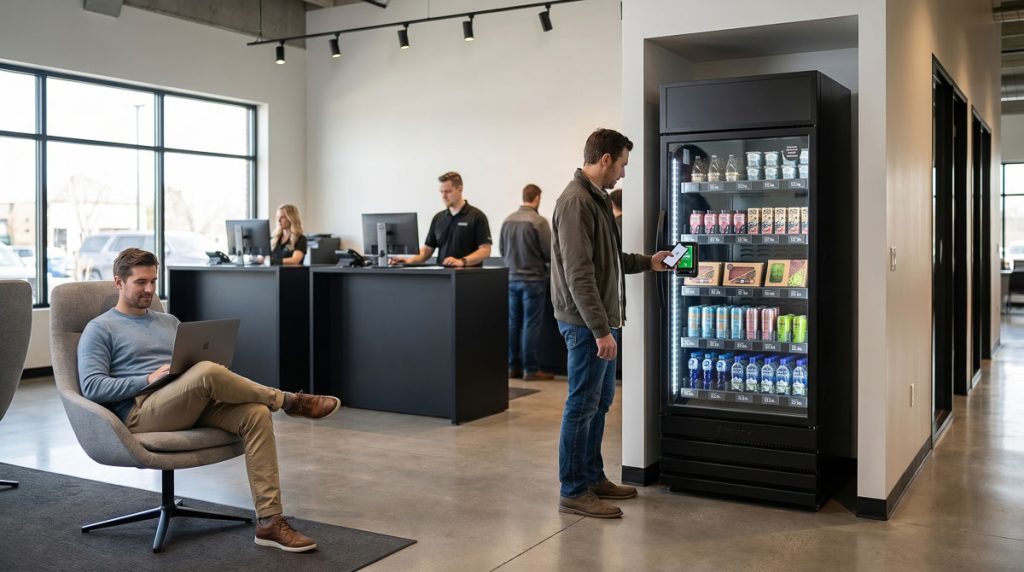
Smart vending can contribute to the value equation because it is visible, practical, and relatively easy for residents to understand. It can support late-night access, work-from-home routines, fitness use, move-in needs, and everyday convenience.
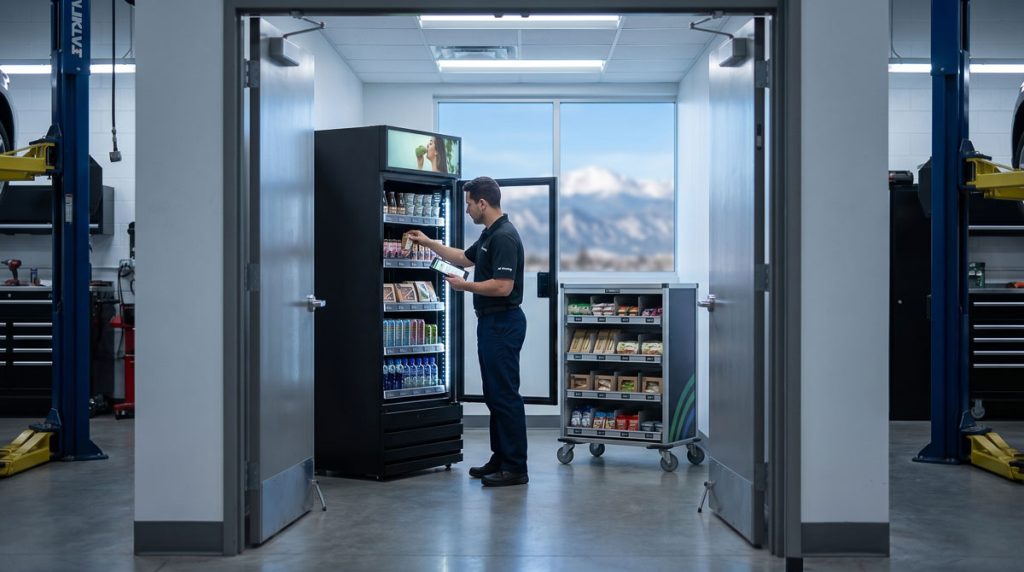
For property teams, the operational model is just as important as the resident benefit. A fully managed smart vending setup should keep equipment, product planning, restocking, payment support, maintenance, and product updates with the provider.
That matters because an amenity that creates staff work can weaken the value it was supposed to create.
How to evaluate whether an amenity supports value
Before adding or replacing an amenity, ask four questions:
Will residents understand it quickly?
Residents should not need a long explanation. If the benefit is obvious, the amenity is easier to tour and easier to adopt.
Will residents use it after the first week?
Tour appeal is not enough. The amenity should fit real routines: mornings, evenings, remote work, workouts, weekends, guests, or late-night needs.
Will it stay reliable?
Reliability determines whether the amenity remains a positive signal. An empty cabinet, broken coffee machine, dirty lounge, or unavailable reservation system can turn a feature into a complaint.
Will the property team have to run it?
Operational lift changes the economics. If the onsite team has to stock, clean, schedule, troubleshoot, or explain the amenity every day, the real cost is higher than the proposal suggests.
A practical scoring model
Property teams can use a simple internal score before approving an amenity:
| Question | Low Score | High Score |
|---|---|---|
| How often will residents use it? | Rarely or only during tours | Weekly or daily use cases |
| How visible is it? | Hidden or hard to explain | Easy to show and understand |
| How hard is it to operate? | Staff must manage details | Provider or system handles operations |
| How well does it fit the property? | Generic or mismatched | Matches residents and building style |
| How flexible is it? | Static after launch | Can adjust based on use |
| How measurable is it? | No usage visibility | Usage, feedback, or service data available |
This does not replace financial modeling. It helps teams avoid amenities that sound good but create weak resident value.
Be careful with unsupported claims
Amenity vendors often want to connect their product directly to rent growth, retention, or property value. Those claims need discipline.
A provider can reasonably explain how an amenity may support resident convenience, leasing differentiation, and operational efficiency. It should not promise a rent increase unless there is property-specific evidence and a clear methodology.
For smart vending, usage data can be more useful than broad ROI claims. AI Vending’s downtown Denver case study, published March 23, 2026, reported 60.7% resident adoption and 30.4% monthly usage at an Avenue5 Residential-managed property. That kind of data can help a team evaluate resident behavior, but it still does not prove rent growth by itself.
The operating burden belongs in the equation

A rent-growth conversation can become too focused on resident-facing benefits and ignore staff time. That is a mistake.
Operational burden includes:
- staff time
- vendor coordination
- maintenance follow-up
- resident questions
- cleaning
- stocking
- replacement products
- payment issues
- access rules
An amenity that looks inexpensive but creates constant staff work may be more costly than it appears. A full-service model can be valuable because it protects the property team’s time and keeps accountability with the provider.
What owners and asset managers should ask
When evaluating an amenity for value impact, ask:
- What resident problem does this solve?
- Is this a tour feature, a daily-use feature, or both?
- What proof do we have that residents will use it?
- What does the onsite team have to do after launch?
- Can the amenity be adjusted if resident behavior changes?
- How will it be maintained?
- What happens if usage is lower than expected?
- Does this support our positioning compared with nearby properties?
- Are we making a rent-growth claim, or a resident-value claim?
The last distinction keeps the conversation honest.
The best amenities earn their place
The amenity package should support the property’s overall value story. It should help residents understand why the building fits their life, help leasing teams explain the difference, and help onsite staff avoid preventable friction.
Smart vending is one example of a daily-use amenity that can fit this equation when it is placed well and fully managed. It should not be sold as a guaranteed rent-growth tool. It should be evaluated as a practical resident convenience that may support value when the property, placement, product mix, and service model are right.
For Denver and Colorado property teams, the next step is to compare the amenity idea against actual resident routines, staffing capacity, building positioning, and service expectations before adding it to the rent-growth story.