Category: Denver Apartment Amenities

  • Amenities and Rent Growth: The Value Equation

    Amenities and Rent Growth: The Value Equation

    Amenities and Rent Growth: The Value Equation

    Amenities can support rent growth when they improve perceived value, resident satisfaction, and retention, but they do not automatically justify higher rents by existing on a checklist. The value equation is strongest when an amenity is visible, useful, well-run, and aligned with what residents actually use.

    For multifamily property teams, the practical question is not “Will this amenity raise rent by itself?” It is “Does this amenity improve the building experience enough to support pricing, retention, leasing, and reputation without adding operating drag?”

    Quick answer

    Amenities influence rent growth indirectly. They can help a property compete, support renewal conversations, improve tour impressions, and reduce resident friction. But rent growth depends on the full property, market, unit mix, location, pricing strategy, and resident demand.

    A useful amenity contributes to the value equation when it creates everyday benefit and does not become another burden for onsite staff.

    The value equation

    A simple way to evaluate an amenity is:

    Value DriverWhat It MeansWhat To Watch
    Resident usePeople actually use the amenity after move-inUsage cannot be assumed from tour appeal
    Tour signalThe amenity makes the property feel currentIt should not feel gimmicky or out of place
    Retention supportThe amenity gives residents one more reason to stayIt must stay reliable after launch
    Operational liftThe onsite team can support it without strainStaff-heavy amenities can erase value
    DifferentiationIt helps the property stand out in a crowded setThe difference must be easy to explain
    Cost structureOwnership understands setup and ongoing costsHidden labor and maintenance matter

    An amenity is stronger when several of these drivers work together. A beautiful amenity that residents ignore is weak. A useful amenity that staff must constantly manage may also be weak. The best value usually comes from usefulness plus low operational burden.

    Rent growth is not the same as amenity ROI

    Rent growth is shaped by many factors outside the amenity package: market supply, comparable properties, concessions, renewal strategy, unit finishes, neighborhood demand, and broader economic conditions.

    That is why property teams should avoid treating any single amenity as a guaranteed rent-growth lever. A better approach is to ask whether the amenity helps the property defend value.

    Useful amenities can support:

    • stronger first impressions during tours
    • fewer resident complaints about convenience gaps
    • better renewal conversations
    • more confidence in the amenity package
    • a clearer difference from nearby alternatives
    • practical daily value after move-in

    Those outcomes can matter even when they are hard to isolate in a spreadsheet.

    Daily-use amenities often carry more weight
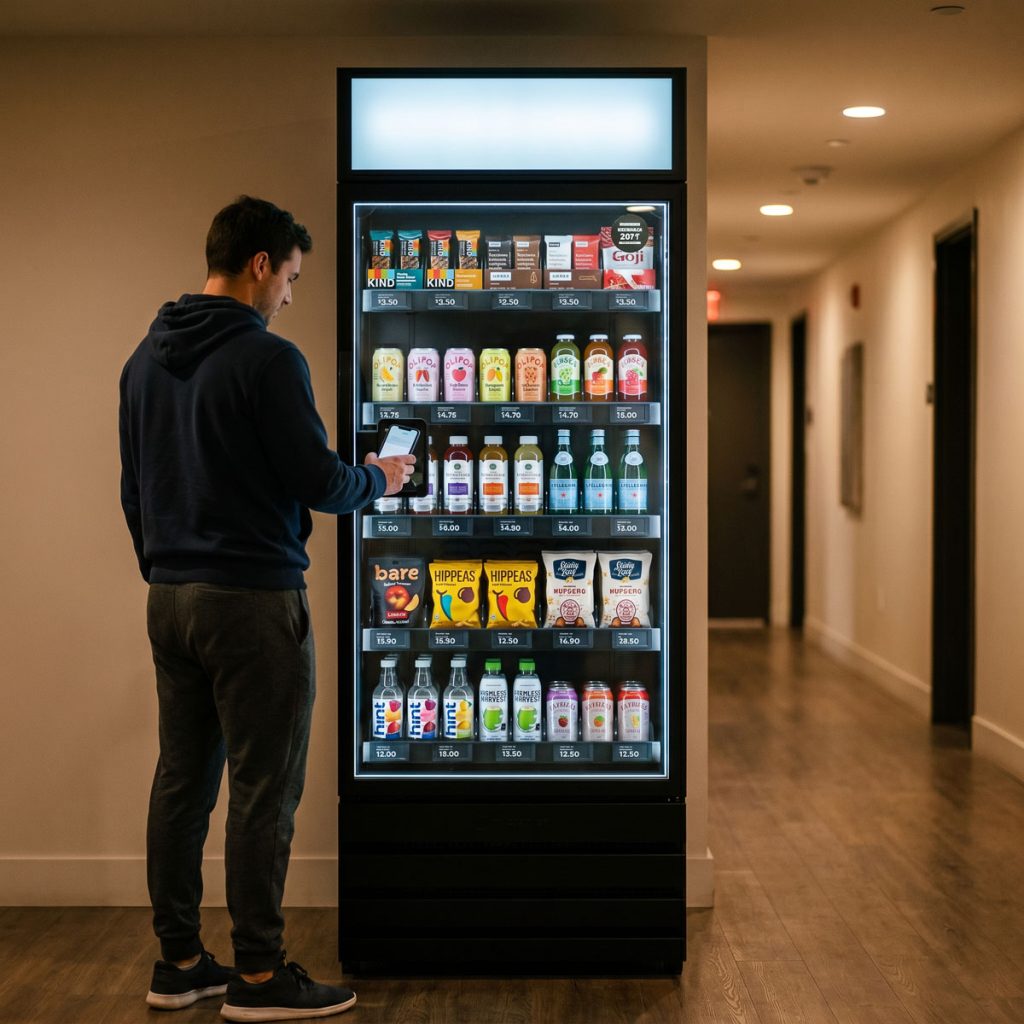
    Apartment resident using a smart vending cabinet at night in a multifamily building common area corridor.

    Some amenities are impressive but occasional. Others are smaller but used often. Property teams should understand the difference.

    A rooftop deck may help the tour. A coworking area may support remote workers. Package lockers may reduce friction. Fitness centers may support lifestyle expectations. Smart vending can add daily convenience because residents understand the use case immediately: drinks, snacks, meals, and essentials inside the building.

    The best amenity mix usually includes both brand-building features and practical features residents use between lease signing and renewal.

    Smart vending inside the value equation

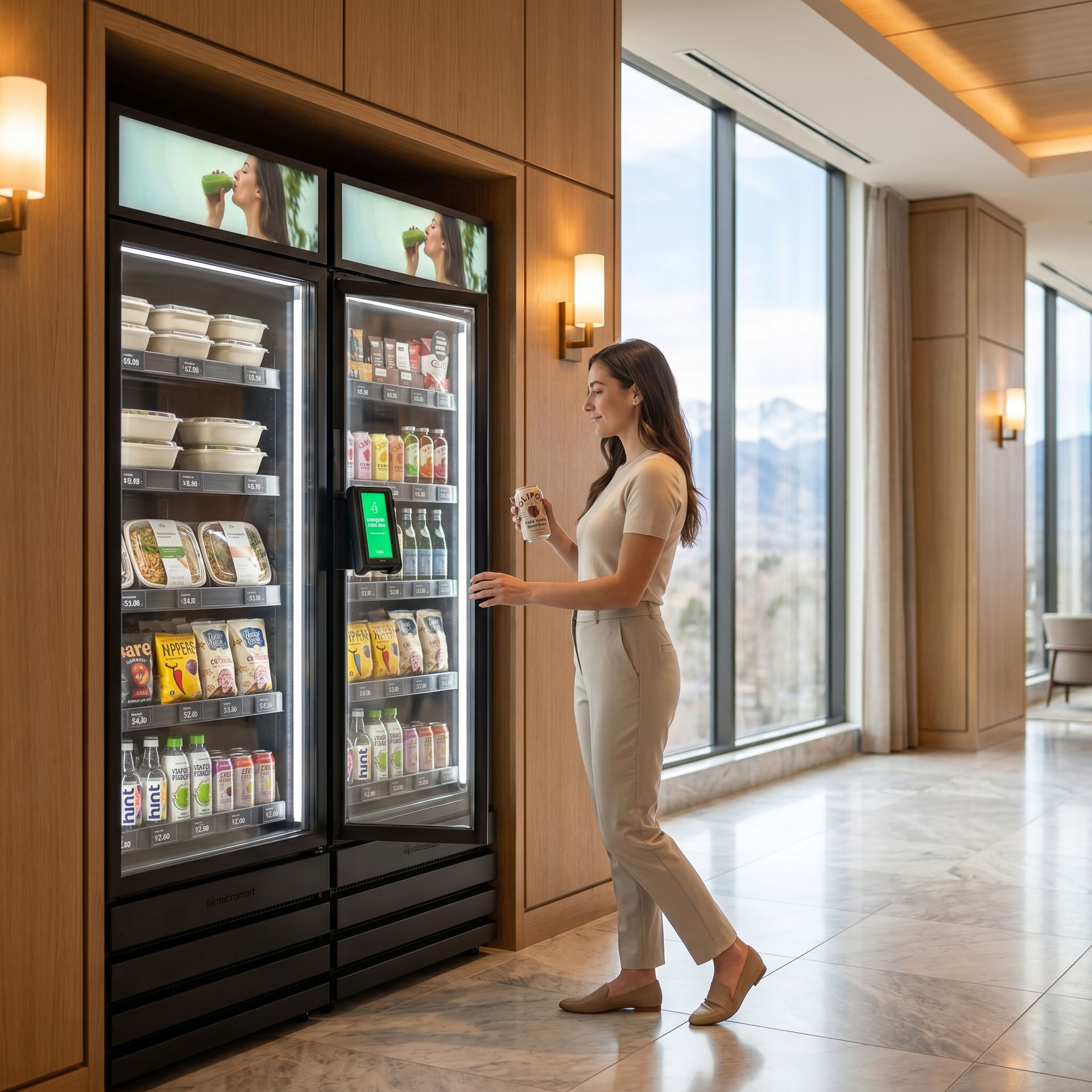
    Smart vending can contribute to the value equation because it is visible, practical, and relatively easy for residents to understand. It can support late-night access, work-from-home routines, fitness use, move-in needs, and everyday convenience.

    For property teams, the operational model is just as important as the resident benefit. A fully managed smart vending setup should keep equipment, product planning, restocking, payment support, maintenance, and product updates with the provider.

    That matters because an amenity that creates staff work can weaken the value it was supposed to create.

    How to evaluate whether an amenity supports value

    Before adding or replacing an amenity, ask four questions:

    Will residents understand it quickly?

    Residents should not need a long explanation. If the benefit is obvious, the amenity is easier to tour and easier to adopt.

    Will residents use it after the first week?

    Tour appeal is not enough. The amenity should fit real routines: mornings, evenings, remote work, workouts, weekends, guests, or late-night needs.

    Will it stay reliable?

    Reliability determines whether the amenity remains a positive signal. An empty cabinet, broken coffee machine, dirty lounge, or unavailable reservation system can turn a feature into a complaint.

    Will the property team have to run it?

    Operational lift changes the economics. If the onsite team has to stock, clean, schedule, troubleshoot, or explain the amenity every day, the real cost is higher than the proposal suggests.

    A practical scoring model

    Property teams can use a simple internal score before approving an amenity:

    QuestionLow ScoreHigh Score
    How often will residents use it?Rarely or only during toursWeekly or daily use cases
    How visible is it?Hidden or hard to explainEasy to show and understand
    How hard is it to operate?Staff must manage detailsProvider or system handles operations
    How well does it fit the property?Generic or mismatchedMatches residents and building style
    How flexible is it?Static after launchCan adjust based on use
    How measurable is it?No usage visibilityUsage, feedback, or service data available

    This does not replace financial modeling. It helps teams avoid amenities that sound good but create weak resident value.

    Be careful with unsupported claims

    Amenity vendors often want to connect their product directly to rent growth, retention, or property value. Those claims need discipline.

    A provider can reasonably explain how an amenity may support resident convenience, leasing differentiation, and operational efficiency. It should not promise a rent increase unless there is property-specific evidence and a clear methodology.

    For smart vending, usage data can be more useful than broad ROI claims. AI Vending’s downtown Denver case study, published March 23, 2026, reported 60.7% resident adoption and 30.4% monthly usage at an Avenue5 Residential-managed property. That kind of data can help a team evaluate resident behavior, but it still does not prove rent growth by itself.

    The operating burden belongs in the equation
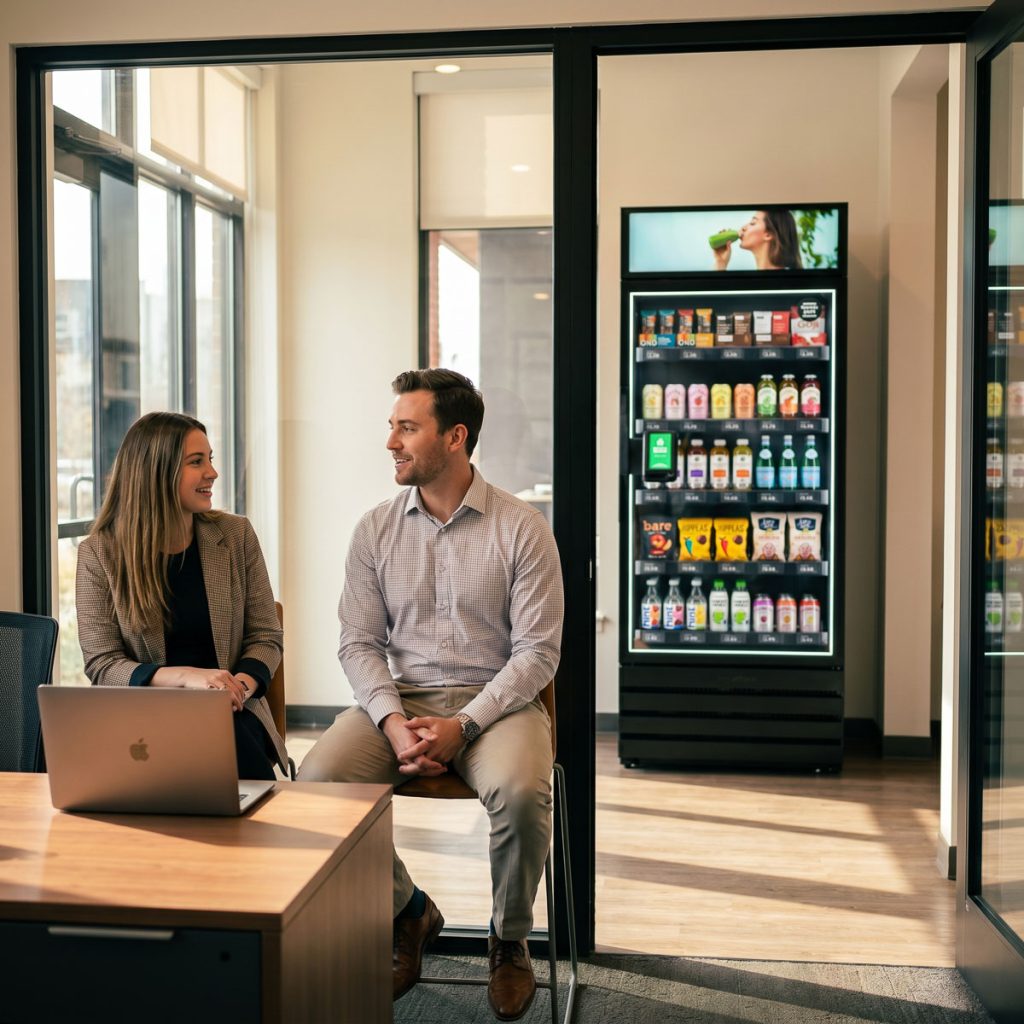
    Property management team discussing smart vending amenity operations and resident value at a leasing office.

    A rent-growth conversation can become too focused on resident-facing benefits and ignore staff time. That is a mistake.

    Operational burden includes:

    • staff time
    • vendor coordination
    • maintenance follow-up
    • resident questions
    • cleaning
    • stocking
    • replacement products
    • payment issues
    • access rules

    An amenity that looks inexpensive but creates constant staff work may be more costly than it appears. A full-service model can be valuable because it protects the property team’s time and keeps accountability with the provider.

    What owners and asset managers should ask

    When evaluating an amenity for value impact, ask:

    • What resident problem does this solve?
    • Is this a tour feature, a daily-use feature, or both?
    • What proof do we have that residents will use it?
    • What does the onsite team have to do after launch?
    • Can the amenity be adjusted if resident behavior changes?
    • How will it be maintained?
    • What happens if usage is lower than expected?
    • Does this support our positioning compared with nearby properties?
    • Are we making a rent-growth claim, or a resident-value claim?

    The last distinction keeps the conversation honest.

    The best amenities earn their place

    The amenity package should support the property’s overall value story. It should help residents understand why the building fits their life, help leasing teams explain the difference, and help onsite staff avoid preventable friction.

    Smart vending is one example of a daily-use amenity that can fit this equation when it is placed well and fully managed. It should not be sold as a guaranteed rent-growth tool. It should be evaluated as a practical resident convenience that may support value when the property, placement, product mix, and service model are right.

    For Denver and Colorado property teams, the next step is to compare the amenity idea against actual resident routines, staffing capacity, building positioning, and service expectations before adding it to the rent-growth story.
  • How Smart Vending Machines Work in Apartment Buildings

    How Smart Vending Machines Work in Apartment Buildings

    How Smart Vending Machines Work in Apartment Buildings

    Smart vending machines in apartment buildings work by combining cashless payment, controlled product access, remote inventory monitoring, and provider-managed restocking into one onsite convenience amenity. Residents get 24/7 access to drinks, snacks, meals, and essentials inside the building, while the property team should not have to manage inventory, troubleshoot payments, or run a small retail operation.

    For multifamily teams, the important question is not whether the machine is “smart.” The important question is whether the setup improves resident convenience, fits the building, stays secure enough for the location, and remains fully managed after installation.

    Quick answer

    In a strong apartment smart vending setup, a resident authorizes a card or mobile wallet, opens a locked smart cabinet, takes one or more products, closes the door, and receives a digital receipt. Behind the scenes, the system tracks product movement, supports remote inventory visibility, and helps the operator restock based on actual use.

    The property usually provides an approved indoor location and power. The vending operator should handle equipment, product planning, stocking, service, payment support, and ongoing adjustments.

    What residents experience

    Residents do not think about smart vending as a technology project. They experience it as a practical convenience inside the building.

    A resident might use it when:

    • they get home late and do not want to leave again
    • they need a quick breakfast before work
    • they want a drink after the gym
    • they need a meal during a work-from-home day
    • they run out of a small essential
    • they want something during a weekend or after leasing-office hours

    The best smart vending experience feels closer to a compact onsite market than a traditional spiral machine. The resident can see products through a glass-front cabinet, pay without cash, take multiple items, and leave without waiting for staff.

    How the payment and access flow works

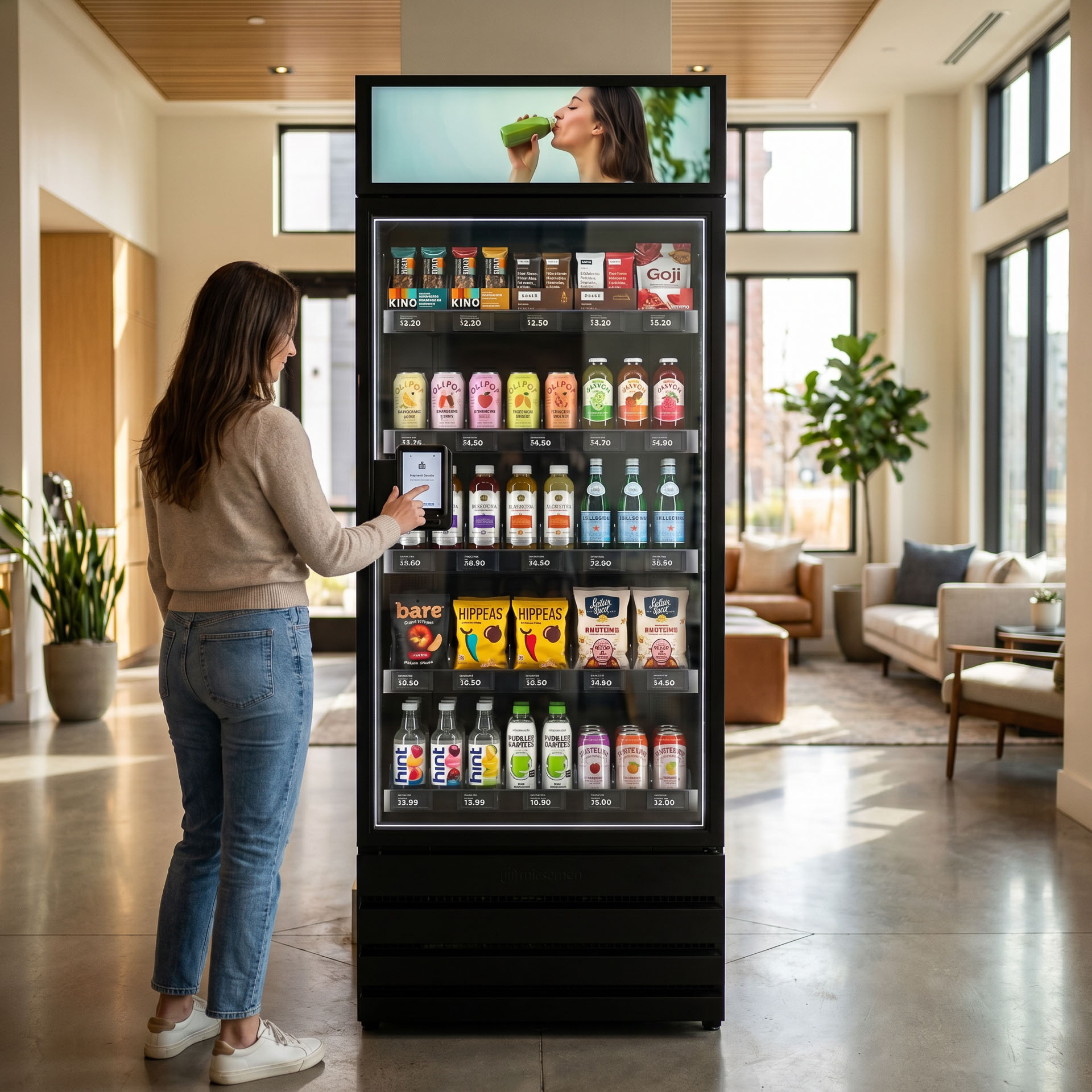
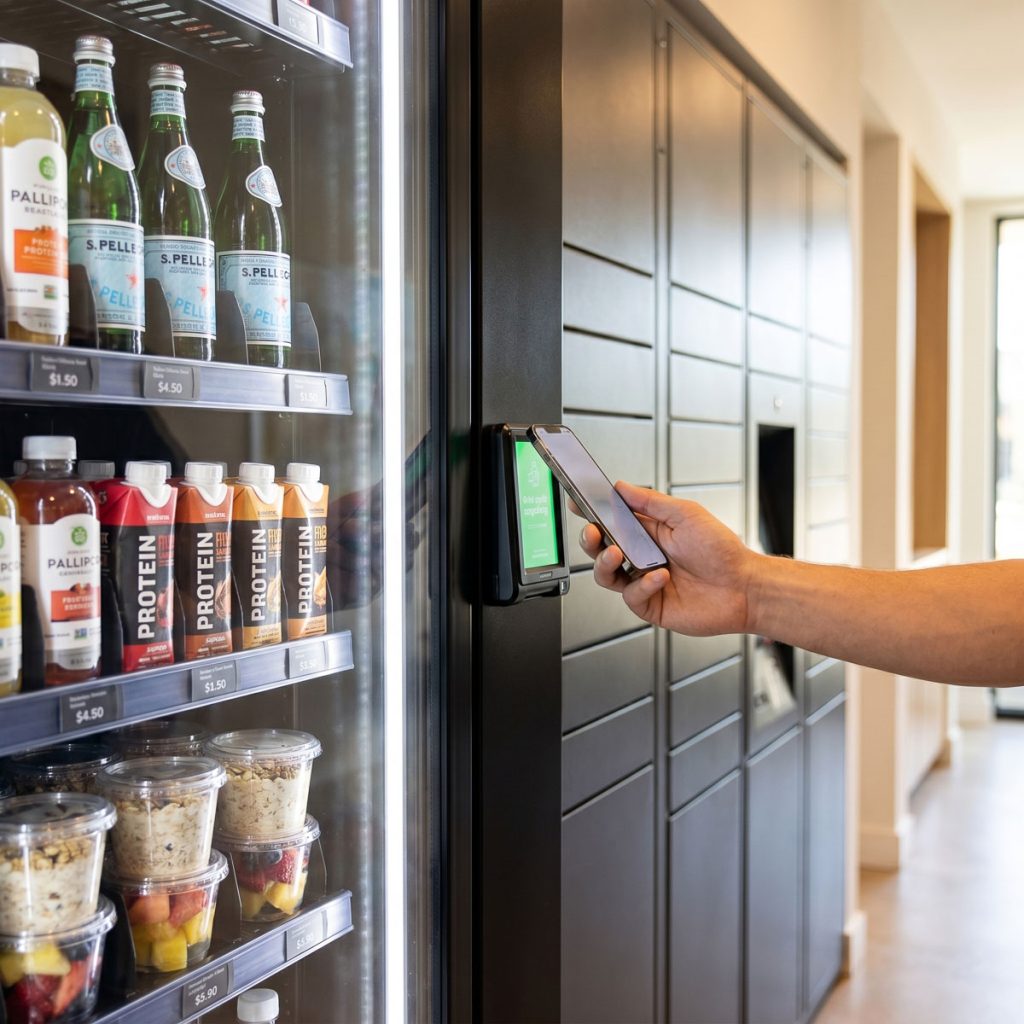
    Resident tapping a smartphone on an AI Vending smart store cabinet cashless 
NFC payment reader in a well-lit residential mailroom next to premium package 
lockers, with sparkling waters, protein shakes, and fresh breakfast options 
visible through the glass door.

    Most modern smart vending programs use a controlled-access flow:

    1. The resident taps, inserts, or swipes a card, or uses a supported mobile wallet.
    2. The system authorizes the payment method.
    3. The cabinet unlocks.
    4. The resident opens the door and selects products.
    5. The resident closes the door.
    6. The system finalizes the transaction and sends a receipt.

    That flow matters in apartment buildings because products stay locked until a payment method is authorized. It also removes cash collection from the property and reduces common issues tied to bills, coins, and change.

    What makes the machine smart

    “Smart” should mean more than a card reader. A useful apartment smart vending program normally includes:

    • cashless payment
    • controlled cabinet access
    • product recognition or transaction tracking
    • remote inventory visibility
    • usage-informed restocking
    • digital receipts
    • service alerts or monitoring
    • product mix adjustments over time

    The practical value is not the technology by itself. The value is that the operator can see what is selling, what is slow, what needs restocking, and what should change for that specific building.

    Where smart vending fits in an apartment building

    Placement has a major effect on performance. The unit should be easy for residents to see, safe to access, and simple for the provider to service.

    Common apartment locations include:

    LocationWhy It Can WorkWhat To Check
    Lobby or entry areaHigh visibility and strong tour impressionTraffic flow, noise, appearance, and access control
    Mailroom or package areaResidents already visit regularlyCrowding, service access, and lighting
    Resident loungeFits social and work-from-home routinesProduct mess, cleaning expectations, and visibility
    Fitness-adjacent areaSupports hydration, protein, and post-gym useHumidity, airflow, and product fit
    Laundry roomUseful in older properties with repeat resident visitsSpace, power, and whether the room feels secure
    Parking-level interior corridorCan support late-night useLighting, visibility, and resident comfort

    Outdoor-only areas, hidden corners, and poorly ventilated spaces usually create problems. Refrigerated and freezer cabinets also need proper indoor placement, airflow, and reliable power.

    Product mix should match resident behavior

    Apartment vending works best when the product mix is built around real routines, not a generic snack list.

    Resident NeedProduct ExamplesOperational Consideration
    Morning routineCoffee drinks, breakfast bars, yogurt where supportedRefrigeration and restock timing
    Work-from-home dayMeals, sparkling water, snacks, functional drinksMidday demand and product variety
    Fitness useWater, electrolytes, protein snacksPlacement near gym traffic
    Late-night convenienceMeals, snacks, drinks, essentials24/7 access and lighting
    Local preferenceColorado or regional products where practicalShelf life, demand, and supplier reliability

    The mix should change as the operator learns the building. If residents ignore a product, it should not stay in the cabinet just because it was part of the first plan.

    What the property team should not have to do

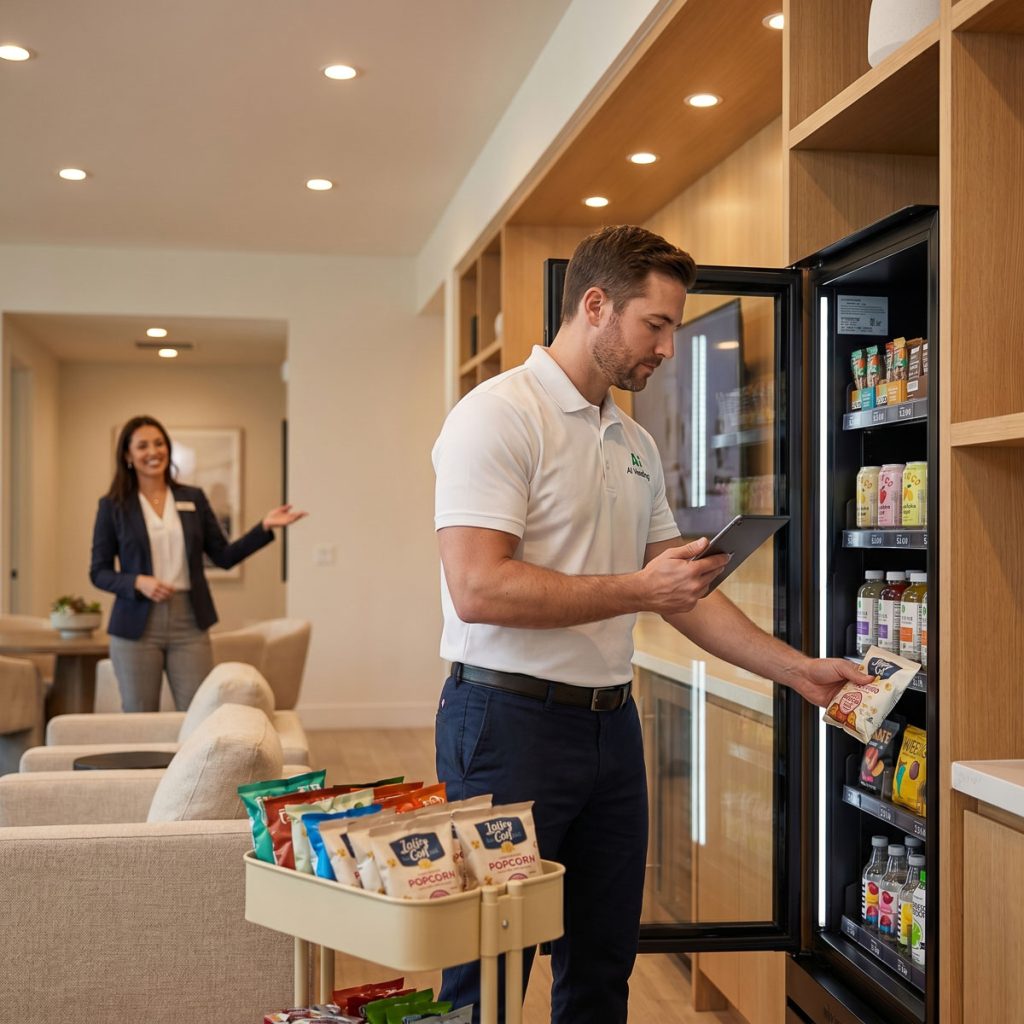
    AI Vending service representative restocking an ambient smart store cabinet 
in a luxury apartment resident lounge using a real-time inventory tablet while 
a leasing agent conducts a property tour with a prospective resident in the 
background.

    The service model is the part many apartment teams care about most. A smart vending amenity should not become another task for the leasing office, maintenance team, or community manager.

    The provider should handle:

    • delivery and installation
    • product curation
    • inventory monitoring
    • restocking
    • payment support
    • refunds or transaction questions
    • service and maintenance
    • product changes
    • cleaning expectations tied to the unit

    The property should not have to buy snacks, check stock, chase payment issues, or decide which products to remove. If a vendor expects onsite staff to manage those details, the amenity is not truly hands-off.

    How remote inventory management helps

    Remote inventory management lets the provider see product movement without waiting for a resident complaint or a manual check. That matters because apartment demand changes by location, season, and resident mix.

    The operator can use inventory information to:

    • restock before popular products are empty
    • reduce slow-moving items
    • add more meal options if residents buy them
    • adjust the mix around move-ins or resident events
    • avoid overfilling low-demand categories
    • identify service issues faster

    Inventory data does not replace good service. It gives the provider better information so service can be more precise.

    What smart vending changes for property operations

    For property managers, the appeal is practical. Smart vending can add a daily-use amenity without a renovation project, staffing model, or managed store.

    It can help a building:

    • improve resident convenience
    • make underused common space more useful
    • support after-hours needs
    • add a modern amenity residents understand quickly
    • reduce reliance on nearby offsite convenience options
    • create a cleaner alternative to outdated vending

    The strongest setups are planned like an amenity, not dropped into a leftover corner.

    A Denver apartment proof point

    AI Vending’s downtown Denver case study, published March 23, 2026, gives one useful example of how residents may use a managed smart store amenity. The case study reported 60.7% resident adoption, 30.4% monthly usage, and 25.9% of transactions between 10 PM and 5 AM at an Avenue5 Residential-managed property.

    Those numbers should not be treated as a guarantee for every building. They are useful because they show why apartment teams should evaluate after-hours access, meal options, and product fit instead of thinking only about daytime snack use.

    Questions to ask before installation

    Before adding smart vending to an apartment building, ask:

    • What cabinet format fits our space?
    • Is the unit designed for indoor use only?
    • What power, airflow, and connectivity are required?
    • Who handles restocking, payment support, refunds, and maintenance?
    • How often is inventory reviewed?
    • Can the product mix change based on resident behavior?
    • What happens when a product does not sell?
    • How is the cabinet serviced without disrupting residents?
    • What does the property team have to do after launch?
    • How will the provider evaluate whether the location is working?

    The answers should make the operating model clear. If the property team is still responsible for routine vending work, the proposal needs another look.

    What can go wrong

    Smart vending can underperform when the location is hidden, the product mix is generic, the provider does not restock reliably, or the cabinet is treated as a novelty rather than an amenity.

    Common mistakes include:

    • choosing a low-visibility location
    • ignoring power, airflow, or service access
    • stocking products that do not match residents
    • using a provider that cannot support the property locally
    • relying on the property team to notice inventory problems
    • making the setup look out of place in a premium common area

    A smart vending program is only as good as its ongoing operation.

    Make it useful after the first week

    The launch matters, but long-term usefulness matters more. Residents will try a new amenity once if it is visible. They will keep using it only if the cabinet stays stocked, clean, easy to use, and relevant to their routines.

    For apartment buildings, smart vending works when technology, placement, products, and service are planned together. The best setup should feel simple to residents and almost invisible to the property team.
    For a Denver or Colorado apartment community, the next step is a site-specific review of resident traffic, common-area options, power, visibility, and product needs before choosing the cabinet mix.

  • Denver Apartment Amenities That Actually Increase Resident Retention

    Denver Apartment Amenities That Actually Increase Resident Retention

    Denver Apartment Amenities That Actually Increase Resident Retention

    The Denver apartment amenities most effective at increasing resident retention in 2026 combine daily practicality with low friction — on-site fitness centers, 24/7 package lockers, coworking lounges, and smart stores. On-site smart vending fills one of the highest-frequency daily needs: access to snacks, beverages, and household essentials without leaving the building. It delivers measurable satisfaction and renewal lift with zero additional management burden on property staff.

    In Denver’s multifamily market, resident retention is the KPI that matters most. Turnover costs — vacancy loss, make-ready expenses, leasing commissions, and marketing spend — can easily exceed $3,000 to $5,000 per unit depending on the property class and submarket. Every lease renewal you secure is money that stays in the building.

    The challenge is that resident expectations keep rising. What was a differentiator two years ago is a baseline expectation today. Property managers are constantly being asked to do more with the same team and the same budget. The key is finding amenities that have a high impact on resident satisfaction without creating new operational obligations for your staff.

    The Amenities Denver Renters Actually Want in 2026

    Resident preference data from the National Multifamily Housing Council (NMHC) and other industry research consistently surfaces the same themes: residents want convenience, reliability, and connection. They want amenities they actually use every day — not a rooftop lounge that looks great in photos but gets used four times a year.

    Here’s how Denver properties are scoring on the amenities that matter most:

    Amenity Daily Use? Zero-Management Option? Retention Impact
    Smart Store / Vending Yes Yes (full-service vendor) High
    Package Lockers Yes Yes (third-party management) High
    In-Unit Washer/Dryer Yes N/A (in-unit) Very High
    High-Speed Wi-Fi Yes Yes (provider-managed) High
    Fitness Center 3–5x/week Partial (monthly cleaning) Medium-High
    Coworking Lounge Variable Low (furniture, cleaning) Medium
    Rooftop / Pool Seasonal Low (seasonal maintenance) Medium
    Dog Wash Station Weekly Low (cleaning schedule) Medium

    The pattern is clear: the amenities with the highest retention impact are those used daily, and the best ones can be fully outsourced to a specialist vendor. On-site convenience hits both marks.

    Why On-Site Convenience Drives Renewals

    Consider the daily friction points a Denver apartment resident faces when their building lacks on-site convenience: running out of coffee before a morning call, needing a water bottle for a workout, forgetting a snack for a late work session. Each small inconvenience requires leaving the building — a five-to-fifteen minute round trip that residents consciously or unconsciously associate with their living experience.

    When those same residents have a smart store on-site, their perception of the building fundamentally shifts. The property stops being just an address and becomes a self-sufficient environment. That shift in perception is the substrate of lease renewals.

    This plays out particularly strongly in Denver because of the city’s demographics. Denver consistently ranks among the top metros in the country for percentage of young professionals working remotely or in hybrid arrangements. Residents who are in their buildings more are also more aware of — and more dependent on — the quality of their on-site amenities. A well-stocked smart store in 2026 has roughly the same psychological significance as a reliable parking situation: when it’s good, residents don’t think about it; when it’s missing, they feel it every day.

    Smart Stores: The Zero-Effort Amenity That Pays for Itself

    For property managers weighing the cost-benefit of adding or upgrading on-site convenience, the smart store model removes the traditional objections.

    There is no staffing cost. Unlike a leased coffee shop or managed retail space, a smart store requires no on-site employees. The vendor handles everything.

    There is no inventory management. AI Vending’s system monitors product levels in real time and dispatches restocking based on actual consumption data — not a fixed calendar, and not a report from your office.

    There is no maintenance burden. Any technical issue — payment terminal, cooling unit, display screen — is handled by our support team. Property staff need not be involved at any step.

    There is no capital outlay. AI Vending provides and installs the equipment. The property provides space and electrical access. The service is sustained through product revenue.

    What you get in return: a fully operational, resident-valued amenity that is available 24 hours a day, 365 days a year, without adding a single task to your team’s workload.

    Related reading: Smart Store vs. Traditional Vending Machine: What Denver Properties Need to Know | Smart Vending Denver: Why AI-Powered Stores Are Replacing Old Machines

    Frequently Asked Questions

    Q: How do I justify the space commitment for a smart store to my ownership group? A: Frame it in terms of retention value. If a smart store helps retain even two additional residents per year who would otherwise have moved, the avoided turnover costs alone will comfortably exceed any opportunity cost from repurposing the space.

    Q: What size building works best for a smart store? A: Smart stores are most effective in communities of 100 units or more, where daily foot traffic is sufficient to sustain a diverse product selection. For smaller buildings, a single or dual vending machine may be the more appropriate choice — and AI Vending serves both formats.

    Q: Can we brand the smart store as part of our property’s identity? A: Yes. We work with properties to customize the store’s signage and visual presentation to align with the community’s brand and design language.


    Add a Zero-Effort Amenity That Residents Actually Use

    The most effective Denver apartment amenities are ones that residents interact with daily — and that your team never has to manage. We deploy the best smart store machines in the industry, powered by AI analytics to ensure they are always stocked at the right time with the products your tenants love most.

    Give your residents a reason to stay. Get Your Free Site Survey & Amenity Report